Author: primemarketing

  • Tile Roof Repair in Tampa: When to Lift-and-Relay vs Replace

    Home/Blog/Tile Roof Repair in Tampa: When to Lift-and-Relay vs Replace

    Tile Roof Repair in Tampa: When to Lift-and-Relay vs Replace

    Most tile roof leaks aren’t tile failures. They’re underlayment failures. A Tampa-specific guide to lift-and-relay vs full tile roof replacement.

    By Rene Diaz Jr., President · January 8, 2026 · 8 min read

    Most “tile roof leaks” in Tampa don’t actually need new tile.

    That’s the single most useful thing we can tell a homeowner with a Spanish-style or Mediterranean-style home. The tile is usually fine. The thing underneath it is the problem. And fixing that is a fraction of what a full tile replacement costs.

    Here’s how the system actually works, why the underlayment fails first, and how to know whether your home is a candidate for a lift-and-relay versus a full replacement.

    The tile and underlayment system explained

    A tile roof isn’t really one thing. It’s two things working together:

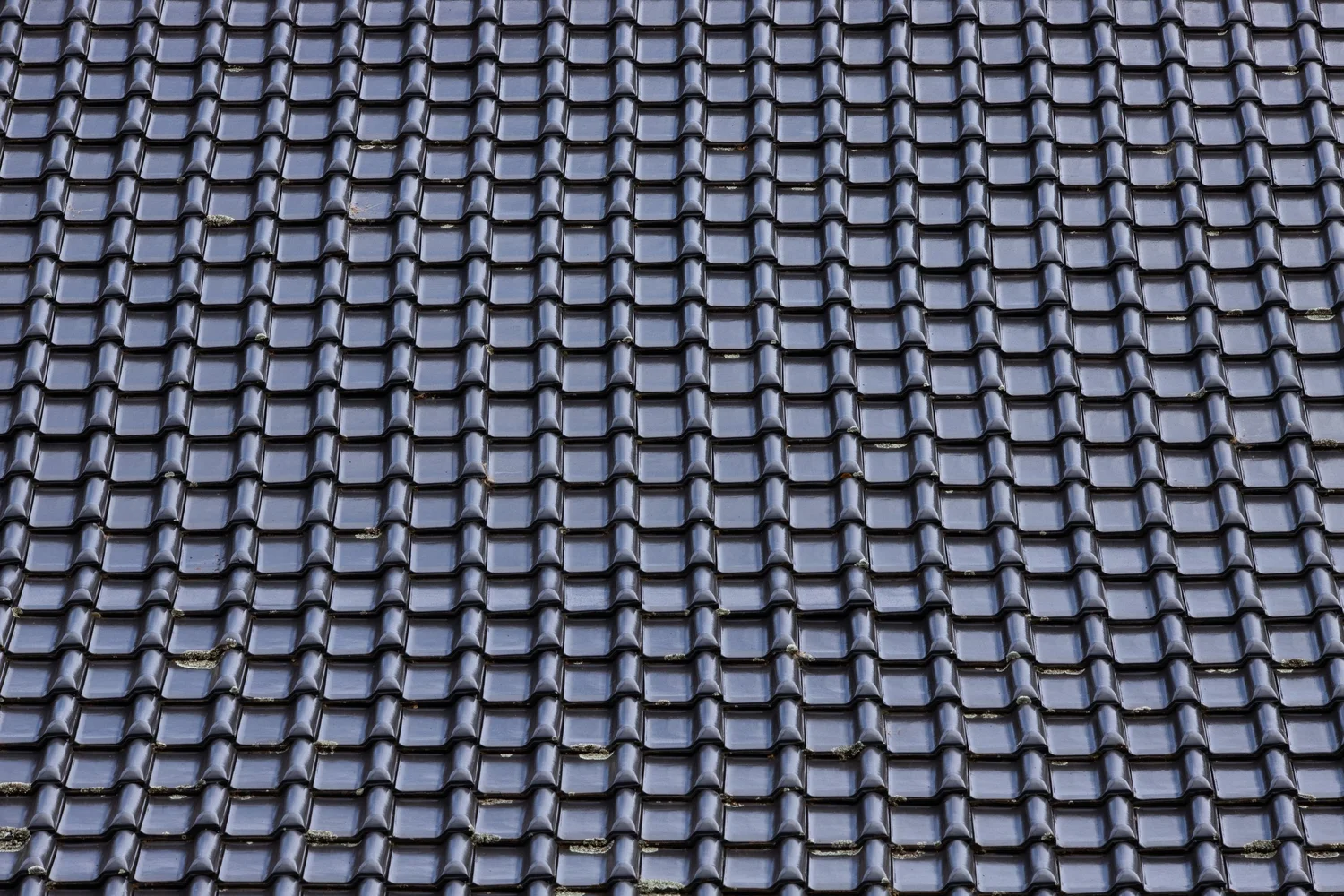
    1. The tiles. Concrete or clay, fastened to the roof in courses, designed to shed water by gravity and look great doing it.
    2. The underlayment. A waterproof membrane (felt, modified bitumen, or self-adhered peel-and-stick) installed on the roof deck underneath the tile.

    The tile is the visible weather barrier. The underlayment is the actual waterproof layer.

    Tile sheds most of the water, but on its own it isn’t waterproof. Wind-driven rain, heavy storms, and any damaged tile will let water through to the underlayment, which is what really keeps water out of your house.

    This matters because the two layers age very differently:

    • Concrete or clay tile: 50+ year service life. The tiles themselves can outlast the home.
    • Standard tile underlayment: 20 to 25 years before significant breakdown begins. Sometimes sooner in Florida sun.

    So on a 25-year-old tile roof, the tiles usually look great and probably are great. The underlayment beneath them is at the end of its life. Water that used to get deflected back up onto the tile now finds a path through the underlayment to the deck, and from there into your house.

    Why most leaks are underlayment failures, not tile failures

    A few patterns show up often:

    • Active leak inside, tiles look fine from above. Underlayment.
    • Leak only during heavy wind-driven rain. Underlayment around penetrations.
    • Leak that comes and goes seasonally. Underlayment with localized failures.
    • Leak after a storm, no obvious tile damage. Underlayment punctures from impact or wind uplift.

    When we look at a leaking tile roof, the first step is lifting a few tiles in the suspect area to check the underlayment beneath. Often the issue is right there: cracked, brittle, perforated, or just worn-out membrane.

    A handful of cracked tiles over solid underlayment can be replaced individually for a few hundred dollars. That’s a routine tile repair. But cracked tiles over failed underlayment is a system-level problem. Replacing the visible tiles alone only buys you a few weeks before the next leak.

    The lift-and-relay process

    When the underlayment has failed but the tiles are still in good shape, the right answer is a lift-and-relay.

    Here’s what that actually involves:

    Step 1: Tile assessment

    Before quoting, we walk the roof and look at tile condition specifically. We’re checking:

    • Number of cracked or broken tiles (each one is a replacement cost)
    • Whether the existing tile profile is still available (some discontinued lines require creative partial replacement)
    • Whether the tile has been walked on roughly in the past (older tile is more brittle)
    • Underlayment condition in multiple test locations

    If 60% or more of the existing tile is still in good shape, you’re likely a candidate for lift-and-relay. If less, the math tends to push toward full replacement.

    Step 2: Tile removal

    Each tile is lifted by hand and carefully stacked on the roof or staged on the ground. Concrete tiles weigh 9 to 12 lbs each; clay tiles run 6 to 10 lbs. A typical Tampa tile roof has 4,000 to 8,000 individual tiles.

    This is not fast work. A skilled crew of 5 to 6 will remove the tiles from a typical 30-square roof in 1 to 2 days.

    Step 3: Old underlayment removal and deck check

    With the tile off, we strip the existing underlayment, then check the wood deck for soft spots, water damage, rotted sheathing, and structural issues that were hidden under the tile.

    Any damaged decking gets replaced (typically $100 to $150 per sheet, billed as needed). The structural integrity of the whole system depends on solid sheathing.

    Step 4: New underlayment installation

    This is the heart of the job. The new underlayment is the actual waterproof layer for the next 20 to 25 years. We use a self-adhered peel-and-stick membrane across the entire deck, with extra detailing at penetrations, valleys, and the perimeter.

    Modern underlayment is a big step up from what’s on most older Tampa homes. Self-adhered peel-and-stick membranes seal around fasteners, resist tearing, and stay in place under wind-driven rain in ways the old felt-based products couldn’t.

    Step 5: Tile reinstallation

    The original tiles go back on, course by course. Cracked or damaged tiles are replaced from inventory or salvaged stock. Each tile is fastened (or foamed, depending on the original system and current code) to Florida high-wind installation standards.

    The end result: the same tile roof you had, but with a new waterproof system underneath.

    Step 6: Final detailing

    Ridge caps, hip caps, valleys, and penetrations all get re-flashed with new copper or galvanized metal. Pipe boots are always replaced, never reused. The roof is photographed before, during, and after.

    Total time on a typical Tampa tile lift-and-relay: 3 to 5 days from first day on site to cleanup.

    When tile actually needs replacement

    Lift-and-relay is the right answer most of the time, but sometimes the tile itself is the problem:

    • Heavy hurricane damage that broke a large share of the field tiles
    • Severely brittle tile that breaks during removal more often than it survives (common on neglected 40+ year old roofs)
    • Discontinued tile profiles with no compatible replacement available, where too much breakage would create a patchwork look
    • Structural issues that require deck reinforcement and tile removal anyway
    • Aesthetic upgrade, where the homeowner wants a different tile profile or color

    In those cases, full replacement is the right call: new tile, new underlayment, and new flashings on the same roof structure.

    A few less-common scenarios where we’d recommend switching from tile to a different material:

    • HOA permits are no longer available for tile in some neighborhoods
    • The structure was never properly engineered for the tile load and is showing signs of strain
    • Insurance is non-renewing on aged tile roofs and the homeowner wants a fresh start with a different material

    Cost comparison

    Real Tampa numbers for 2026:

    Job typeTypical cost (mid-size home)Service life
    Targeted tile leak repair (a few tiles + flashing)$500–$2,500Variable
    Tile lift-and-relay (full underlayment replacement)$14,000–$22,00020–25 years on the underlayment, 30+ on the tile
    Full tile roof replacement (new tile + new underlayment)$30,000–$55,00030–50 years
    Switch from tile to architectural shingle$15,000–$22,00018–22 years
    Switch from tile to standing-seam metal$30,000–$45,00040–55 years

    The math on lift-and-relay versus full replacement is usually clear: if your tile is still in good shape, lift-and-relay runs roughly half the cost and resets the waterproof system to new condition. The look stays identical because it’s the same tile.

    Tampa neighborhoods where this matters most

    Tile roofs are most concentrated in a few Tampa areas:

    South Tampa. Beach Park, Sunset Park, and Davis Islands have a high density of Spanish-style and Mediterranean-style homes from the 1920s through 1940s. Many of these homes have been re-roofed once already, often with tile lift-and-relays in the 1990s or 2000s. Those are coming up for their next round of underlayment work right now.

    Hyde Park. A historic district with strict architectural review boards. Tile is often required by HOA covenants. Lift-and-relay is the strongly preferred approach here because it keeps the original tile look while resetting waterproofing to current code.

    New Tampa. Newer construction (Tampa Palms, Hunters Green, Cory Lake Isles) used a lot of concrete tile in the 1990s and early 2000s. Those underlayments are now 20 to 30 years old. We’re doing more lift-and-relays in New Tampa than almost anywhere else in the metro.

    If you’re in one of these neighborhoods and your tile roof is over 20 years old, a free assessment is worth scheduling even if you haven’t seen a leak yet. Catching an underlayment failure before it becomes a wet ceiling is far cheaper than catching it after.

    What to ask your tile roofer

    Not every Tampa roofer does tile work well. The skill set is different from shingle work. When you’re getting tile quotes, ask:

    1. How many tile lift-and-relays have you done in the last 12 months?
    2. Can you show me three local references on tile lift-and-relays we can drive to and look at?
    3. What underlayment system are you proposing? (Should be a self-adhered peel-and-stick, modern formulation.)
    4. How are you handling tile breakage? (Some breakage is inevitable. The plan should be specific.)
    5. What’s the warranty on the underlayment specifically?
    6. How long will the work take?
    7. What happens to the existing tile during the work? (It should be stacked carefully, not piled or thrown.)

    Tile work that goes wrong is expensive to redo. Choosing the right contractor matters even more on tile than on shingle.

    Schedule a tile roof assessment

    If you have a tile roof in Tampa and you’re seeing leaks, or just want to know what shape the underlayment is in, call (813) 590-1124 or request a free estimate online. We’ll get back to you within 48 hours.

    The estimate is free and the report is straightforward. We’ll lift a few tiles in test locations to check the underlayment, photograph what we find, and tell you plainly whether you need a targeted repair, a lift-and-relay, or a full replacement. Sometimes the answer is that you’ve got a few more years before anything needs to happen, and we’ll tell you that too.

    We’re a family-owned, Florida-licensed (CCC1330839) crew with W-2 employees, no subcontractors, and a 10-year workmanship warranty. We’ve done lift-and-relays across South Tampa, Hyde Park, New Tampa, Brandon, and Wesley Chapel. Most of our tile repair work comes down to figuring out which problem you actually have, then fixing the right one.

    Free estimate

    Schedule your estimate 100% online.

    Tell us about your roof and we will text you a scheduling link. We are on your roof within 48 hours.
  • Storm Damage Documentation: A Tampa Homeowner’s Photo Guide

    Home/Blog/Storm Damage Documentation: A Tampa Homeowner’s Photo Guide

    Storm Damage Documentation: A Tampa Homeowner’s Photo Guide

    Insurance settlements are won or lost on documentation. The exact photos to take, what to write down, and how to capture damage that adjusters take seriously.

    By Rene Diaz Jr., President · January 8, 2026 · 7 min read

    Storm & Insurance

    Insurance settlements often come down to documentation. Here’s the exact photos to take, what to write down, and how to capture damage in a way that adjusters take seriously.

    By Rene Diaz Jr, President · FL Certified Roofing Contractor CCC1330839

    Published January 8, 2026 · 7 min read

    An adjuster works from what they can see, not just what you tell them. Documentation that’s timestamped, geotagged, high-resolution, and captured from both close-up and wide angles tends to hold up better under review.

    This guide covers what we think every Tampa homeowner should do in the hours after a storm. Many claims we see come in with photos that aren’t quite enough, and the damage has to be documented again, sometimes weeks after the event, before the case can move forward.

    Here’s how to do it right the first time.

    The principle

    Insurance claims run on evidence. The adjuster compares what they see against your policy. If something isn’t documented, it’s hard to account for in the claim file.

    Photos that hold up in claims tend to have four things in common:

    • Timestamped. Date and time embedded in the file’s metadata. Most modern phones do this automatically.
    • Geotagged. GPS coordinates embedded in the metadata. Check that your camera app has location services turned on.
    • High-resolution. Many adjusters accept phone photos now, but they need to be in focus and well-lit. Skip the zoom. Get physically closer instead.
    • Wide and close-up paired. Each damage area should have a wide shot for context, so the adjuster can tell where on the roof it is, and a close-up that shows the actual damage.

    Check all four before you call your insurer. A lot of denied-claim stories trace back to documentation that was missing one of these.

    Safety first

    Don’t climb on a wet roof. Don’t climb on a roof during active storm conditions. Don’t climb a roof if you’re not comfortable with the height.

    Most of what you need can be captured from the ground, a second-story window, or a drone if you have one. A few items need on-roof access. Those can wait for your free estimate visit.

    What to photograph

    Wide shots of every roof slope

    Stand back and take a wide-angle photo of each plane of the roof. A typical Tampa home has four to eight roof planes, and you want a wide shot of each one. These establish context and show the adjuster what the roof looks like overall.

    If your phone has a wide-angle (0.5x) lens, use it. The wider the shot, the more context it gives.

    Close-ups of every damage spot

    For each piece of visible damage, lifted shingles, missing shingles, hail bruising, debris impact, exposed flashing, take a close-up. Get close enough that the damage fills most of the frame, and take two or three photos of each spot from slightly different angles.

    If you can’t safely get close, use your phone’s zoom to frame the shot, but know you’ll lose some resolution. A drone works better if you have one, or you can wait and let us capture it during your free visit.

    Soffit, fascia, and gutters

    These often show storm damage even when the main roof looks fine. Photograph the full perimeter of the home, every soffit run, fascia board, and gutter section. Look for displaced pieces, dents, and separations.

    Yard debris

    This is the one most homeowners skip. Anything in your yard that came off the roof, shingles, granules, vent caps, ridge cap pieces, is evidence the storm caused damage. Photograph it where it landed and hold off on cleanup until it’s documented.

    If hail fell, photograph it in the grass while it’s still there, since it melts quickly in Tampa. A coin or ruler in the frame for scale helps too.

    Interior water damage

    If water got into the home, photograph ceiling stains, wall discoloration, attic moisture, or drips while they’re fresh. Stains can darken over hours and lighten as they dry, so capture them as soon as you notice them.

    Even small signs matter. Insurance often covers interior damage alongside roof damage.

    What to write down

    A short written record helps when you’re trying to reconstruct the timeline months later.

    • Date and approximate time of the storm
    • Wind speed if you know it (NWS data can be checked later, but your impression at the time helps)
    • What you noticed first, whether it was a sound, a leak, or a missing shingle you spotted from the driveway
    • Any sounds during the event. Small impacts often mean hail, larger thuds often mean debris
    • Anything you’ve already done, like tarping, calling the insurer, or moving furniture away from a leak

    Keep this in one document or note, and add to it as more details come up over the next 48 hours.

    What not to do

    Don’t repair anything before documenting. Even small cosmetic fixes can complicate a claim. Document first. Emergency tarping to prevent further damage is treated differently and is generally accepted in claim files.

    Don’t throw away damaged materials. Shingle pieces in the yard, broken vent caps, anything that came off the roof. Keep them until the adjuster’s visit. They’re evidence.

    Don’t sign anything with out-of-state crews. Storm chasers often go door-to-door after Tampa storms and offer to “handle” your claim in exchange for assignment of insurance benefits. Don’t sign. Florida law gives you the right to choose any licensed contractor.

    Don’t wait. Florida policies have time limits for filing claims. Document the damage right away, call your insurer within a few days, and schedule your free estimate promptly. Damage tends to get worse with time, and so can the strength of your claim.

    The full kit

    If you want a printable, structured walkthrough with photo templates, sample claim language, adjuster meeting prep, and red-flag checklists, we put together a free 15-page documentation kit. It covers the same checklist our crews use when documenting damage during a storm-claim consultation.

    You can download the kit here. It’s email-gated, and we may follow up about a free claim consultation if you’re interested. No obligation either way.

    When to call us

    If you’re dealing with active leaks, fallen branches on the roof, or visible structural damage, call us at (813) 590-1124. Emergency tarp service is available 24/7, and tarping is often covered by insurance as part of “emergency mitigation.” We start documenting for the claim right away.

    Once the damage is documented and you’ve called your insurer, the next step is a free roof estimate. We can come to your property within 48 hours, walk the roof together, and help make sure the documentation supports what your roof actually needs.

    Free estimate

    Schedule your estimate 100% online.

    Tell us about your roof and we will text you a scheduling link. We are on your roof within 48 hours.
  • Flat Roof Pros and Cons

    Flat Roof Pros and Cons

    Home/Blog/Flat Roof Pros and Cons

    Flat Roof Pros and Cons

    Although flat roofs are standard in some countries worldwide, they’re mostly found on large structures and modern commercial buildings in the U.S.

    By Roof X · October 1, 2023 · 2 min read

    Flat Roof Pros and Cons

    Although flat roofing might not require professional installation, it’s better to consult with a roofing company to learn more about the pros and cons.

    Although flat roofs are standard in some countries worldwide, they’re mostly found on large structures and modern commercial buildings in the U.S. However, some homeowners may consider changing their sloped roofs to this contemporary-looking option.

    Like other roofing systems, flat roofs have their benefits and downsides. Here are the pros and cons all homeowners should consider:

    Advantages of flat roofs

    Less expensive than sloped roofs

    A flat roof costs less than a sloped roof for many reasons. The materials might not be one of them, however. Asphalt shingles are typically the cheapest option on the market. Still, flat roofs are less demanding regarding installation and labor costs. Homeowners can DIY their installation without a professional.

    Unlike sloped roofs with gutters and other roofing elements, flat roofs require little maintenance, which can also significantly decrease the costs.

    Versatile

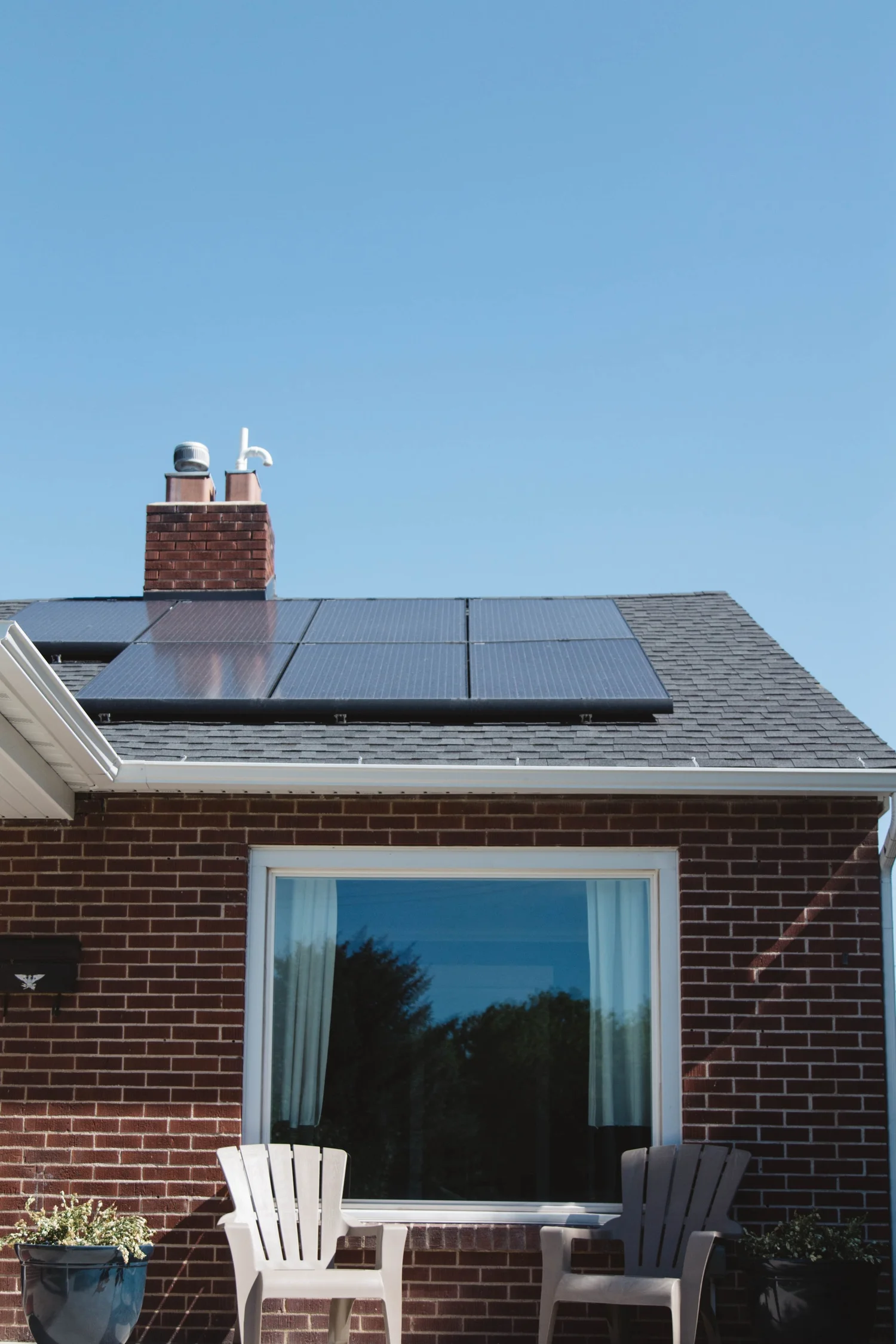
    Flat roofs offer space for other purposes. They provide extra room for HVAC appliances that would otherwise crowd the backyard or hang on the side of the house, ruining the curb appeal. In addition, the flatter the roof, the less visible the solar panels, which present an energy-efficient way of reducing utility bills.

    A flat roof can also quickly turn into an outdoor area for relaxing, a barbecue, a swimming pool, etc. However, consult a professional installer to check whether your flat roof can handle all that weight.

    Disadvantages of flat roofs

    Less material options

    Flat roofs come in a limited number of materials. Metal flat roofs aren’t the best option if you wish to use the roof for the additional purposes mentioned above. The other materials are rubber, bitumen, and thermoplastic polyolefin (TPO). On the other hand, shingles come in various options that vary in durability, cost, and other features.

    Shorter lifespan

    Flat roofs aren’t as durable as other roofing options despite their advantages. The life expectancy of a flat roof is between 10 and 15 years. Flat roofs might require replacement sooner, depending on the climate and other environmental conditions.

    Flat roofs also don’t hold out in extremely cold weather. Standing water due to a flat roof’s lack of drainage represents another concern that could lead to quicker deterioration.

    Limited time for the installation

    A flat roof might require optimal weather conditions to seal properly, depending on the installation type. The weather must be warm and sunny if the flat roof is glued with an adhesive.

    Consult the pros

    Although flat roofing might not require professional installation, it’s better to consult with a roofing company to learn more about the pros and cons. This way, homeowners ensure that they’ll get the best roofing type for the property.

    Roof X Inc. offers commercial and residential roofing for customers in Brandon, Pensacola, Tampa, and surrounding areas. We install and repair metal, tile, shingle, TPO, and more. Gutters, ventilation, and insulation are also available. Family-owned-and-operated

    Free estimate

    Schedule your estimate 100% online.

    Tell us about your roof and we will text you a scheduling link. We are on your roof within 48 hours.
  • Explore the Variety of Roof Tile Options

    Explore the Variety of Roof Tile Options

    Home/Blog/Explore the Variety of Roof Tile Options

    Explore the Variety of Roof Tile Options

    Apart from protecting the interior of a home, the roof is one of the most visible house components affecting curb appeal.

    By Roof X · September 15, 2023 · 2 min read

    Explore the Variety of Roof Tile Options

    Knowing all the different roof tile options isn’t the end of your roofing decision.

    Apart from protecting the interior of a home, the roof is one of the most visible house components affecting curb appeal. Homeowners aim to combine the roof’s protective properties with visually pleasing designs and colors. However, with the number of options on the market today, choosing the right roof tile that matches your needs and tastes remains challenging.

    Solar roof tiles

    Solar roofs represent an energy-efficient option for homeowners seeking to lower their utility bills and contribute to sustainability. They generate energy from sunlight and transform it into a power supply for the entire house. Alongside green and cool roofs, solar roof tiles are the future.

    Clay roof tiles

    Clay roof tiles are a traditional choice that gives homes a classic look. They’re sturdy, durable, and come in various designs. Still, clay tiles can be unsuitable for houses with weaker constructions due to their weight. Additionally, they require careful and professional installation.

    Metal roof tiles

    Metal roofing includes aluminum, steel, copper, and zinc. All options are equally attractive and provide enough security, durability, and resistance during harsh weather conditions. Aluminum is the most affordable and available option, while copper is the opposite.

    Metal is quite malleable, assuming various tile shapes and designs. Aside from their durability and flexibility, metal tiles also require low installation efforts and little maintenance throughout their lifetime.

    Slate roof tiles

    Slate boasts durability, fire resistance, and longevity. They fit homes with both modern and traditional styles. Slate also comes with ample designs and colors that are enhanced over time. Homeowners can also opt for synthetic slate that’s 100% recyclable.

    Composite wood tiles

    Unlike natural wood, which needs plenty of maintenance and isn’t fire-resistant, composite wood can withstand fire, rot, water, and other elements while retaining the beauty of real wood. Composite wood is lightweight, quick, easy to install, and requires minimal maintenance.

    Concrete roof tiles

    Concrete tiles can be shaped to mimic slate tiles, wood shakes, and other tile types. Concrete is a long-lasting roof tile option that lasts up to 100 years. While the finished product looks robust, these tiles are also quite affordable. Similarly to clay tiles, they need careful installation and strong groundwork.

    Tips for choosing the best roof tile

    Knowing all the different roof tile options isn’t the end of your roofing decision. Homeowners should also consider the following factors:

    • Local climate and weather conditions

    • Roof slate, complexities, and design

    • The weight the house structure can bear

    • Local building codes and restrictions

    • The available budget, including long-term maintenance fees

    Get the right roof

    Choosing a roof can be challenging, even with an idea in mind. Still, to ensure a job well done, you should work with a reputable professional roofer regardless of your roofing choice.

    Roof X Inc. offers commercial and residential roofing for customers in Brandon, Pensacola, Tampa, and surrounding areas. We install and repair metal, tile, shingle, TPO, and more. Gutters, ventilation, and insulation are also available. Family-owned-and-operated

    Free estimate

    Schedule your estimate 100% online.

    Tell us about your roof and we will text you a scheduling link. We are on your roof within 48 hours.
  • 2023 Roofing Trends

    2023 Roofing Trends

    Home/Blog/2023 Roofing Trends

    2023 Roofing Trends

    With the ever-evolving home improvement landscape, keeping up with the latest trends is vital for every homeowner.

    By Roof X · September 1, 2023 · 3 min read

    2023 Roofing Trends

    Since most households are looking for ways to save on utility bills, it is no surprise that installing solar panels has become popular.

    With the ever-evolving home improvement landscape, keeping up with the latest trends is vital for every homeowner. Trends regarding roofing are no exception, as this section of the home goes through trends and style changes just as much as other components. The roofing industry continuously creates new ways to make this area visually appealing, sustainable, and energy-efficient to match their clients’ needs and current circumstances.

    This article outlines this year’s roofing trends that every current or future homeowner should know.

    Green roofs

    Green roofs not only look aesthetically pleasing, but they’re also exceptional insulators during scorching summer months. Homeowners in hot and humid areas know the importance of keeping the interior cool and often opt for green roofs.

    In addition to being great insulators, green roofs also filter out harmful pollutants and keep the air around the house clean.

    Durable metal roofing

    Metal roofing has always been popular due to its durability and resistance. This roof can consist of aluminum, zinc, steel, and copper. Each material slightly varies in performance, longevity, and maintenance, but overall, they’re an excellent roofing option.

    The only downside of metal roofs is their noisiness during rain or hail. However, even that is mitigated with various solutions, such as underlayment and insulation. A reputable roofing company can help find the best way to insulate your metal roof and prevent any disturbances during harsh weather conditions.

    Solar panels for renewable energy

    Since most households are looking for ways to save on utility bills, it is no surprise that installing solar panels has become popular. Homeowners favor these panels because they create electricity from sunlight, promote energy efficiency and lower utility bills.

    Solar roofs are also at the forefront of the green movement. Also, their users help spread awareness about their environmental benefits and sustainability.

    Synthetic thatch roofing

    Thatch roofs are coming back in 2023 and for a good reason. Today’s thatch roofs are synthetic, ensuring durability and longevity. On top of looking majestic and giving a home a natural, nearly rustic look, they’re resistant to fire, moisture, rot, and UV rays.

    Homeowners won’t have to worry about installation or maintenance with thatch roofing.

    Asphalt shingle roofing

    Despite various modern roofing options, the demand for asphalt roofing hasn’t decreased. Asphalt shingles can still be seen across the nation in most houses. The reasons for their popularity are durability, affordability, easy installation and maintenance, and availability.

    Invest in smart roofs

    Smart roofing systems offer various benefits for homeowners. From weather monitoring to leak detection, these roofing systems prepare households for the worst climate conditions and prevent damage to the interior. Smart roofs require professional installation, so don’t forget to find a reliable roofing company beforehand.

    Whichever roofing type you opt for, contact a reliable company to help with the installation. Consulting experts regarding roofing types and maintenance details will significantly benefit in the long run and ensure a long life for the home’s roof.

    Roof X Inc. offers commercial and residential roofing for customers in Brandon, Pensacola, Tampa, and surrounding areas. We install and repair metal, tile, shingle, TPO, and more. Gutters, ventilation, and insulation are also available. Family-owned-and-operated

    Free estimate

    Schedule your estimate 100% online.

    Tell us about your roof and we will text you a scheduling link. We are on your roof within 48 hours.
  • How Often Should a Roof Inspection Happen?

    How Often Should a Roof Inspection Happen?

    Home/Blog/How Often Should a Roof Inspection Happen?

    How Often Should a Roof Inspection Happen?

    A roof is one of the most vital components of a residential or commercial building.

    By Roof X · August 15, 2023 · 3 min read

    How Often Should a Roof Inspection Happen?

    Areas experiencing high temperatures, humidity, extreme cold, frequent storms, heavy rainfall, and snowfall can require roof inspections more frequently than areas experiencing moderate climatic conditions.

    A roof is one of the most vital components of a residential or commercial building. It protects against rain, wind, hail, critters, extreme temperatures, and other elements. Therefore, it becomes essential to keep it in good condition. Regular inspections are the key to keeping track of the roof’s condition, structural integrity, and longevity. 

    Unfortunately, many property owners overlook routine roof inspections or are ignorant about how often to get their roofs inspected. Let’s discuss how frequently property owners should check on their roofs. 

    What is a roof inspection?

    A roof inspection is a process where a trained and certified roofer examines every component of the roofing system to look for signs of wear and tear and damages and ensure it is functioning correctly. Over time, a roof can experience wear and tear due to constant exposure to elements. Regular inspections help catch and address minor issues to prevent roofing emergencies, expensive repairs down the road, and premature roof replacements. Some roofing manufacturers also mandate inspections by a licensed professional to keep the warranties valid.

    How often does a roof need an inspection?

    Ideally, most roofing contractors suggest inspecting the roof at least once a year. The National Roofing Contractors Association recommends inspecting the roof twice a year, once in the fall and another in the spring, to spot problems, avoid significant issues, and prepare the roofing system to withstand potential hazards. However, the frequency of roof inspection can vary from home to home, depending on various factors. Some circumstances may demand more frequent or immediate roof inspections. Some factors that play a vital role in determining how often a roof inspection should happen include:

    Climate

    The local climate can play a significant role in deciding the frequency of roof inspections. Areas experiencing high temperatures, humidity, extreme cold, frequent storms, heavy rainfall, and snowfall can require roof inspections more frequently than areas experiencing moderate climatic conditions. Extreme temperatures can damage a roofing system and accelerate deterioration. Properties with overhanging trees should also get the roof inspected more often to prevent excessive debris build-up.

    Roof age

    An aging roof demands inspection at frequent intervals, while a new roof can go longer between inspections. Old roofs or roofing systems that have suffered previous damage are more vulnerable. A roof, ten years or older, should undergo professional inspections more often to ensure it is in good condition. 

    After a storm

    It is critical to inspect a roof immediately after a storm. High winds, hail, or flying debris can compromise the roof’s integrity and often lead to common issues like holes, leaks, missing, broken, or dented shingles, and damaged flashing. A professional can inspect the roof for visible and hidden damages to prevent them from becoming more prominent.

    No previous inspection record

    A roof inspection is also essential if there is no last inspection record when purchasing a new home.

    The cost of roof inspections can vary across contractors, depending on the roof size, accessibility, roofing material, and roof design.

    Safeguard the roof

    A roof is a significant investment. Regular inspections may seem unnecessary but prove worthy in the long run. Call a local, reputable roofing contractor to schedule regular inspections to save time and money.

    Roof X Inc. offers commercial and residential roofing for customers in Brandon, Pensacola, Tampa, and surrounding areas. We install and repair metal, tile, shingle, TPO, and more. Gutters, ventilation, and insulation are also available. Family-owned-and-operated.

    Free estimate

    Schedule your estimate 100% online.

    Tell us about your roof and we will text you a scheduling link. We are on your roof within 48 hours.
  • Common Reasons Why a House Won’t Stay Cool

    Common Reasons Why a House Won’t Stay Cool

    Home/Blog/Common Reasons Why a House Won’t Stay Cool

    Common Reasons Why a House Won’t Stay Cool

    As temperatures rise, things get uncomfortable. In such cases, homeowners need to pinpoint the cause of the problem.

    By Roof X · August 1, 2023 · 3 min read

    Common Reasons Why a House Won't Stay Cool

    Insufficient airflow can cause poor AC functioning.

    It can be frustrating when a house feels warm, even when the air conditioning is on. As temperatures rise, things get uncomfortable. In such cases, homeowners need to pinpoint the cause of the problem.

    Here are some common reasons why a house won’t stay cool:

    Thermostat issues

    The thermostat could be the culprit. Check the batteries and ensure the settings are on the cooling function or position. The set point temperature should be cooler than the outdoor temperature. It may be necessary to repair or replace the thermostat.

    Debris around the air conditioning unit

    Insufficient airflow can cause poor AC functioning. Vegetation, condenser coils, or dirty evaporators may be responsible. Consider hiring a technician to inspect and clean all components.

    Windows letting in heat

    Sunlight will contribute to the warmth of a room. This is especially true where older windows are in place. In the summer months, consider the following:

    • Drawing blinds when the sun is hottest

    • Use heavy blackout curtains

    • Install low-emissivity film on the windows

    • Upgrade windows to triple or double panes

    Damaged ductwork in the attic and other unoccupied areas

    Cool air can escape to unoccupied home areas if the ductwork has tears. Qualified contractors need to check ducts and repair them as soon as possible.

    Leaking attic due to poor ventilation

    Poor ventilation in the attic can affect energy efficiency and home temperature. The attic can reach high temperatures, especially on a hot day. The ceiling may feel warm, which is an indication of heat being stored. This stored heat can leak into the rest of the house. Resolve this issue by doing the following:

    • Installing roof vents to release moist, warm air

    • Add soffit vents to let cold air in

    • Place gable vents for better airflow

    • Installing attic fans to dry out the warm air

    Damaged roof

    UV rays heat the home and may damage asphalt shingle roofs over time. When a house doesn’t stay cool, it could be that the roof is damaged and not working as it should.

    Low glare and unpainted roofs reflect UV and infrared rays. Installing darker-colored roofs can lower the temperatures in a home.

    Wrong roofing material

    Sometimes roofing materials are selected based on their appearance. However, they may not be energy efficient. Even though a roofing material is not the best, one can alter it with a highly reflective coating or paint to reduce the heat absorbed. Cool roofs maintain a lower heat allowing homeowners to use their material of choice.

    Bring in the experts

    A home won’t stay cool for many reasons, including issues with the attic and roof. Contacting roofing experts and getting things done right can save you from high energy bills. A few recommendations and adjustments from experts can help keep the home cool, especially in summer.It can be frustrating when a house feels warm, even when the air conditioning is on. As temperatures rise, things get uncomfortable. In such cases, homeowners need to pinpoint the cause of the problem.

    Here are some common reasons why a house won’t stay cool:

    Roof X Inc. offers commercial and residential roofing for customers in Brandon, Pensacola, Tampa, and surrounding areas. We install and repair metal, tile, shingle, TPO, and more. Gutters, ventilation, and insulation are also available. Family-owned-and-operated

    Free estimate

    Schedule your estimate 100% online.

    Tell us about your roof and we will text you a scheduling link. We are on your roof within 48 hours.
  • The Most Common Florida Roof Problems

    The Most Common Florida Roof Problems

    Home/Blog/The Most Common Florida Roof Problems

    The Most Common Florida Roof Problems

    Florida’s weather, especially during the summers, is notorious for wreaking havoc on the region’s roofs.

    By Roof X · July 15, 2023 · 3 min read

    The Most Common Florida Roof Problems

    Conditions like hailstorms, flooding, hurricanes, strong winds, humidity, and high temperatures, can cause various issues, ranging from minor to major, for the roofing structure. 

    The beautiful and sunny Florida weather, loved by visitors and locals alike, has earned it the nickname, ‘Sunshine State.’ However, Florida’s weather, especially during the summers, is notorious for wreaking havoc on the region’s roofs. Conditions like hailstorms, flooding, hurricanes, strong winds, humidity, and high temperatures, can cause various issues, ranging from minor to major, for the roofing structure. 

    Storm damage and aging can take a toll on the roof and may demand premature replacement. Here are some of the primary issues associated with roofs in Florida:

    Leaks

    Leaks are the most common roof problem property owners in Florida deal with. A leaky roof is easy to repair when spotted early, but if left unattended for long, it can damage the interiors and compromise the roof’s structural integrity. Mold, wet spots on the ceiling and walls, or dripping water are signs of leaks. Routine inspections by an experienced roofer can help detect issues early and perform the appropriate repairs.

    Shingle damage

    Improper ventilation, incorrect installation, age, hail, high winds, and debris falling on the roof during a storm can result in damaged shingles. Missing, broken, curled, or blown-off shingles demand expert assistance. Professional roofing contractors can inspect to determine the extent of damage and suggest the most suitable solution. 

    Flashing damage

    Factors like temperature changes, falling trees or flying debris, high winds, hail, and wear and tear over time can cause the flashing to deteriorate, rust, crack, or become loose. This protective metal layer can take a beating from the Florida sun, and taking preventative measures is the best way to prevent damage. 

    Mold and algae growth

    The warm and humid Florida climate is ideal for mold, algae, moss, and lichen growth on the roof. These types of growth are unsightly and can impact the roof’s visual appeal. They leave unsightly streaks, weaken the roof structure, shorten its lifespan, result in costly repairs, and create a slippery surface. 

    Age-related damages

    Every roofing system has a limited lifespan. Once a roof approaches its expected lifespan, it starts experiencing issues. Most common roofing problems are the result of long-term wear and tear. Shingles can crack, lose their granules or become brittle, the paint of the metal roof can fade, or the tiles in a tile roof can crack, break, or go missing. It is best to replace an aging roof when there is extensive visible damage on the roof. 

    Ponding

    A properly designed and constructed roof is highly unlikely to experience water ponding. Water puddles on the roof are a serious problem. It can result in significant damage in the long term and should be fixed immediately to prevent roofing emergencies. 

    Overcome poor installation and failed repairs

    Using poor-quality materials or hiring just any roofer costs homeowners in Florida dearly. It results in premature roof degradation and extra cost to fix the poorly done roofing job. Always hire a trusted, experienced, licensed, and insured roofing contractor for any roofing job to make the most out of the investment. 

    Contact a local roofing company if your roof in Florida is experiencing one or more of these common roof problems.

    Roof X Inc. offers commercial and residential roofing for customers in Brandon, Pensacola, Tampa, and surrounding areas. We install and repair metal, tile, shingle, TPO, and more. Gutters, ventilation, and insulation are also available. Family-owned-and-operated

    Free estimate

    Schedule your estimate 100% online.

    Tell us about your roof and we will text you a scheduling link. We are on your roof within 48 hours.

  • How Often Should a Roof Be Replaced?

    How Often Should a Roof Be Replaced?

    Home/Blog/How Often Should a Roof Be Replaced?

    How Often Should a Roof Be Replaced?

    A roofing system protects the home from the elements and ensures its safety and comfort.

    By Roof X · July 1, 2023 · 3 min read

    How Often Should a Roof Be Replaced?

    Harsh weather conditions like heavy rainfall, hailstorm, strong winds, humidity, and extreme sunlight can damage the roof severely, causing it to demand extensive repairs or replacement.

    A roofing system protects the home from the elements and ensures its safety and comfort. However, no roof lasts forever; even the best roofing system wears out with time. A roof replacement project is stressful, time-consuming, and expensive but inevitable. 

    How often should homeowners replace their roofs?

    Roofing systems can last a long time. Generally, a roof requires replacement when it reaches or exceeds its expected lifespan. A roof can last from 15 to over 100 years. How often a homeowner will have to replace their roof depends on various factors, including the type and quality of roofing material, local climate and weather conditions, installation quality, and how well the roofing system is maintained. 

    Type of roofing materials

    The life of a roof will vary based on the material used. Here is the average lifespan of various roofing materials:

    • Asphalt shingle roofs: 15 to 30 years

    • Wood shingle roofs: 25 to 30 years

    • Green roofs: 20 to 40 years

    • Metal roofs: 50 to 70 years

    • Slate roofs: 100 years+

    • Clay or cement tile roofs: 50 to 100 years

    However, severe weather conditions can sometimes cause these roofing materials to wear out faster and demand premature replacement. Periodic inspections by a professional roofer give homeowners a clear idea about a roof’s condition. These inspections also offer an approximate time frame before needing an upgrade or replacement. Always get a roof assessed for damage after a severe storm to ensure it stays in the best shape.

    Installation quality

    One may need to replace an improperly installed roof sooner than expected. A poor roof installation often results in leaks and other damages that can shorten the roof’s lifespan. Always hire a reputable and experienced roofing contractor for roof installation to ensure it lasts longer.

    Local climate

    Harsh weather conditions like heavy rainfall, hailstorm, strong winds, humidity, and extreme sunlight can damage the roof severely, causing it to demand extensive repairs or replacement. Extreme hot and cold climates can also wear down a roofing system faster. The kind of weather a roof endures plays a key role in determining replacement needs. 

    Poor maintenance

    Every roofing material requires maintenance to perform optimally and reach its expected lifespan. Neglecting maintenance can shorten the roof’s lifespan. Routine inspections, cleaning and maintenance, and timely repairs will significantly assist in maintaining the roof’s structural integrity and can help it last longer than its service life. 

    Signs a roof needs replacement

    A roof does not collapse all of a sudden. Besides life expectancy, other warning signs indicate that the roof requires replacement. Some of these potential signs are:

    • Stains on the ceilings, walls, and attic, mold, and mildew growth, and a sagging ceiling

    • A sagging or drooping roof may arise from improper ventilation or structural and water damage.

    • Light penetrates through the attic.

    • Exterior damages like curled, missing, buckled, or worn-out shingles, granules in gutters or downspouts, damaged flashing, rot, missing parts, and rust

    • A sudden spike in the energy bills

    • Ice dam formation

    Contact a local roofing company if it is time to replace the roof. A roofing technician can inspect the system and suggest the best roofing material for your home and budget.

    Roof X Inc. offers commercial and residential roofing for customers in Brandon, Pensacola, Tampa, and surrounding areas. We install and repair metal, tile, shingle, TPO, and more. Gutters, ventilation, and insulation are also available. Family-owned-and-operated

    Free estimate

    Schedule your estimate 100% online.

    Tell us about your roof and we will text you a scheduling link. We are on your roof within 48 hours.

  • Reasons to Hire a Professional Roofer for Skylight Installation

    Reasons to Hire a Professional Roofer for Skylight Installation

    Home/Blog/Reasons to Hire a Professional Roofer for Skylight Installation

    Reasons to Hire a Professional Roofer for Skylight Installation

    Installing a skylight is more complex than cutting a hole in the roof and popping in a window.

    By Roof X · June 15, 2023 · 2 min read

    Reasons to Hire a Professional Roofer for Skylight Installation

    Skylights brighten a dark room, and an open skylight can also add ventilation.

    In this DIY age, is hiring a professional roofer to install new skylights the wiser choice? For most homeowners, the answer is a resounding yes.

    Skylights brighten a dark room, and an open skylight can also add ventilation. However, installing a skylight is no easy task. Without the proper skills, installation could end up causing costly and damaging roof leaks.

    Following is a list of considerations regarding skylight purchase and installation.

    Choosing the right skylights

    These days, there are many skylight options available. But as with so many things, not all may be suitable for a home’s roof.

    Weather tightness, wind resistance, ventilation, and energy efficiency are factors that a homeowner needs to consider when choosing a skylight. In addition, they must think about size and shape. For example, can the rooftop handle a large, flat model that opens, or would a smaller sun tunnel be a better option?

    Skylights can work with most roofing materials and rooftop configurations, but determining the best types and sizes can be challenging. Advice from a professional roofer can help ensure the homeowner will be satisfied with the skylight.

    Placing skylights can be tricky

    Simply installing a skylight on any random flat or sloped roofing section is the wrong approach. Instead, the installer must carefully plan the skylight’s placement to avoid damage.

    The installer must determine where the home’s rafters are To find the right rooftop spot for a skylight. They’ll also need to consider the location of any rooftop obstructions and additions, like chimneys, vents, solar panels, and other attachments, that can affect the roof structure’s stability.

    In addition, depending on the age and condition of the roofing materials, some areas may need to be more robust to support a skylight.

    Improper skylight installation can weaken a roof

    Do-it-yourself skylight installation is certainly possible—a simple internet search reveals countless videos and tips on completing the project.

    However, no professional roofer or structural engineer would recommend tackling the job without expert help. The slightest error could weaken a roof, potentially leading to thousands of dollars in damage.

    Installing a skylight is more complex than cutting a hole in the roof and popping in a window. The flashing must be correctly installed, and the joints properly sealed. Otherwise, water could seep through. Some skylights require extra protection, such as a raised lip or curb, to guide water drainage.

    The wisest approach is to hire a professional roofer to ensure that skylights are placed correctly. A professional roofer has the skills and knowledge to plan an installation compatible with the roofing materials and can install the light without compromising the roof’s structural integrity.

    Roof X Inc. offers commercial and residential roofing for customers in Brandon, Pensacola, Tampa, and surrounding areas. We install and repair metal, tile, shingle, TPO, and more. Gutters, ventilation, and insulation are also available. Family-owned-and-operated

    Free estimate

    Schedule your estimate 100% online.

    Tell us about your roof and we will text you a scheduling link. We are on your roof within 48 hours.