
Category: Roofing 101

  • Metal or Tile Roof in Orlando: Which Is Better?

    Metal or Tile Roof in Orlando: Which Is Better?

    Home/Blog/Metal or Tile Roof in Orlando: Which Is Better?

    Metal or Tile Roof in Orlando: Which Is Better?

    Both are strong choices in Orlando. How metal and tile compare on look, weight, wind, heat, cost and HOA rules, and when tile lift-and-relay wins.

    By Roof X · November 12, 2026 · 4 min read

    Short answer: for most Orlando homes, both metal and tile are strong long-term choices, and the better one depends on your house, your HOA and how you want the roof to look. Tile suits Mediterranean and Spanish-style homes and communities that already require it. Metal suits homeowners who want strong wind performance, heat reflection and less weight on the structure, and stone-coated steel can give you the look of tile. If your current tile is still sound, you may not need either: lifting the tile and replacing the underlayment is often the smarter move.

    Here is how the two compare in Orlando’s heat, afternoon storms and the I-4 storm corridor, and how we help you decide at your free estimate.
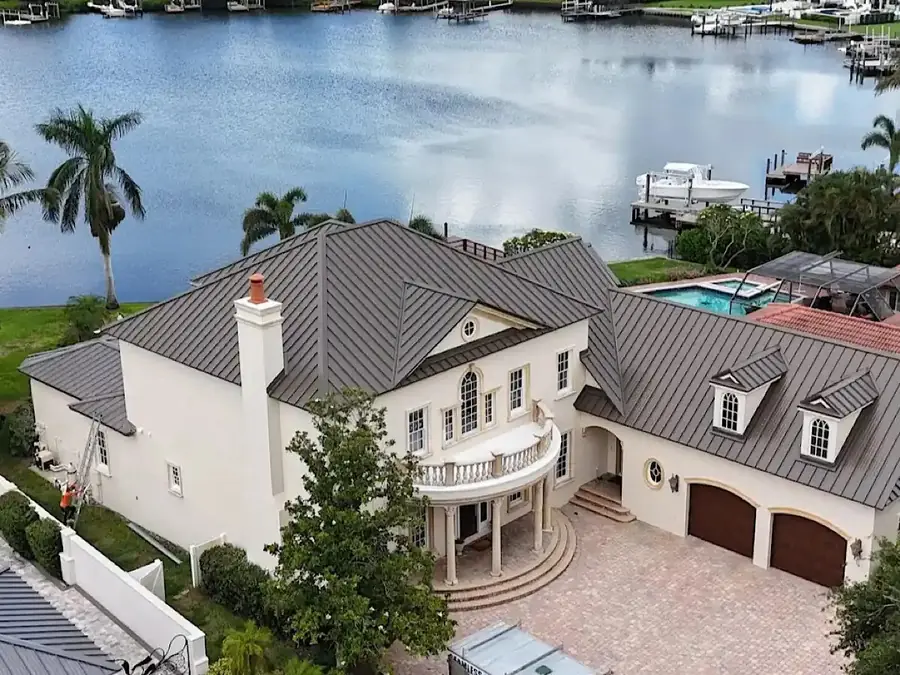
    Metal roof on a large waterfront home in Hyde Park, Tampa

    Tile Roofs in Orlando: What to Know

    Tile is common on premium Orlando homes and on the Mediterranean Revival and Spanish-influenced houses in neighborhoods like Lake Eola Heights. Concrete and clay tile can last a very long time. The catch is underneath: the underlayment is the real waterproofing layer, and it typically lasts about 20 to 25 years. That is why many Orlando tile roofs leak while the tiles still look fine from the ground.

    • Best for: homes where the tile look is part of the architecture, and HOA communities that require tile.
    • Watch for: cracked or slipped tiles, failing mortar or foam at ridges and hips, and aged underlayment.
    • Good news: sound tile can often be lifted, the underlayment replaced, and the same tile reinstalled.

    Metal Roofs in Orlando: What to Know

    Metal is a strong fit for Orlando’s storm corridor. A properly installed metal roof sheds rain quickly, can perform well in wind when installed to an approved assembly, and reflects heat, which helps in an Orlando summer. We install two main types:

    • Standing seam for a clean look on contemporary and mid-century homes.
    • Stone-coated steel for the look of tile or shake with less weight.

    Installation quality matters more than usual with metal. Flashing details, fastening and sealing decide how it performs, which is why our own W-2 crews do the work instead of subcontractors.

    Metal vs. Tile: Side by Side

    1. Look. Tile gives the classic Mediterranean profile. Metal can look modern (standing seam) or mimic tile (stone-coated steel).
    2. Weight. Tile is heavy. Metal gives you a similar look with far less weight on the structure.
    3. Maintenance. Tile needs its underlayment renewed over time. Metal depends on good flashing and fasteners.
    4. Cost. Both cost more up front than shingle. Tile cost depends on the tile type and whether existing tile can be reused; metal depends on the panel type and how many valleys, hips and penetrations need detailing.
    5. HOA rules. If your community requires tile, staying with tile is usually simplest. Switching materials usually gets a closer look, so ask early.

    How We Help You Choose

    At your free estimate, we are on your roof within 48 hours, photograph its condition and tell you honestly what it needs. You get a line-item quote in writing, with options. If tile lift-and-relay fits, we say so. If metal or even shingle fits your budget and plans better, we say that too. Compare all the options on our roofing types page, or read more on metal roofing in Orlando and tile roofing in Orlando.

    Why Orlando Homeowners Choose Roof X

    Roof X is a family-owned Florida roofer, licensed under CCC1330839, with a 4.9-star rating across 325 Google reviews. Our own W-2 crews do the work, we pull the permits, and every replacement comes with a 10-year workmanship warranty. If budget is the worry, see our financing options, or start with roof replacement in Orlando.

    Deciding between metal and tile? Call (813) 590-1124 or request a free estimate below. We schedule estimates within 48 hours and walk you through both options on your own roof.

    Questions

    Metal vs. Tile Roofs, Answered

    Something else on your mind? Call (813) 590-1124 and talk to a real person.

    Is metal or tile better for an Orlando home?

    Both can be strong long-term choices. Tile suits Mediterranean-style homes and HOAs that require it; metal suits homeowners who want wind performance, heat reflection and less weight.

    Can I get the look of tile with a metal roof?

    Yes. Stone-coated steel gives the look of tile or shake with less weight on the structure.

    My tile roof leaks but the tiles look fine. Do I need a new roof?

    Not always. The underlayment is the waterproofing layer. If the tile is sound, we can often lift it, replace the underlayment and reinstall the same tile.

    Can I switch from tile to metal in an HOA community?

    Sometimes. A material change usually gets a closer look from the HOA, so check your guidelines before you sign a contract.

    Free estimate

    Schedule your estimate 100% online.

    Tell us about your roof and we will text you a scheduling link. We are on your roof within 48 hours.
  • Do I Need HOA Approval for a New Roof in Orlando?

    Do I Need HOA Approval for a New Roof in Orlando?

    Home/Blog/Do I Need HOA Approval for a New Roof in Orlando?

    Do I Need HOA Approval for a New Roof in Orlando?

    Most likely, yes. Many Orlando-area HOAs review roof color, profile and material before work starts. What to submit and how a roofer helps you get approved.

    By Roof X · November 10, 2026 · 4 min read

    Short answer: if your Orlando home is in a community with a homeowners association, you very likely need HOA approval before a new roof goes on. Many HOAs set rules on roof color, profile and material, and they review the plan before work starts. The approval is yours to request, but a good roofer does most of the legwork: matching approved colors and profiles, supplying samples and product specs, and giving you the documentation your HOA asks for.

    Skipping this step can turn a good roof into a problem with your association. Here is how HOA approval usually works for a roof replacement, what to have ready, and how it fits into your schedule.

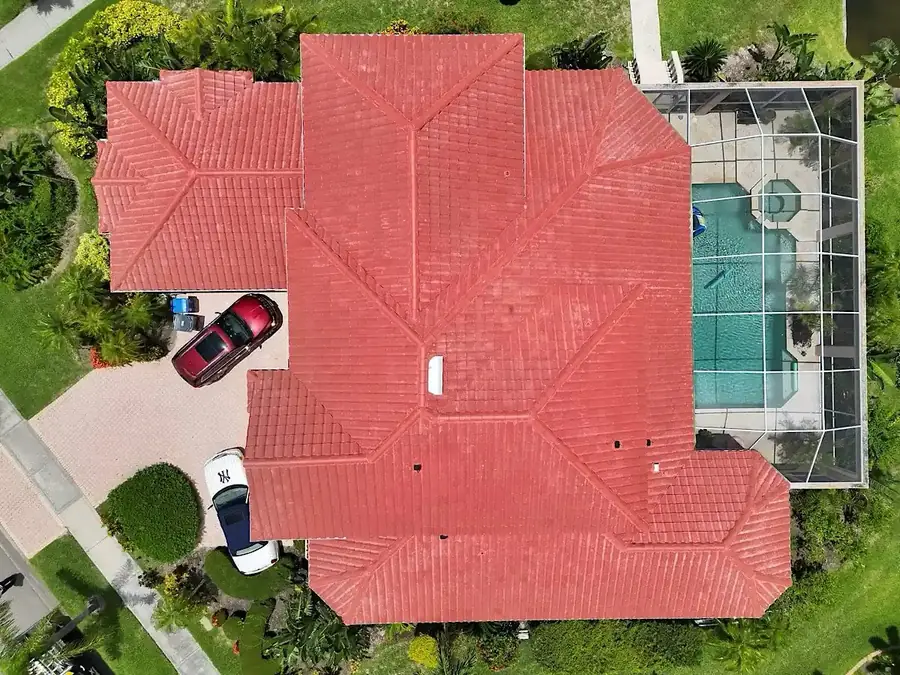
    Aerial view of a finished tile roof in South Tampa, FL

    Why Your HOA Cares About Your Roof

    A roof is one of the most visible parts of a house, so many Orlando-area communities treat it as part of the neighborhood’s look. Their rules typically cover:

    • Color. Many HOAs keep a list of approved shingle or tile colors.
    • Profile and style. Architectural shingle, a specific tile profile, or metal panels may be allowed or required.
    • Material changes. Switching from shingle to metal, or from tile to shingle, usually needs a closer look than a like-for-like replacement.

    The rules vary community to community, so always read your own HOA’s guidelines or ask the management company before you sign a contract.

    What to Have Ready for the Approval Request

    Most HOA requests come down to showing the board exactly what is going on your roof. Typical items include:

    1. The product and color. The manufacturer, product line and color name.
    2. Samples or product specs. So the board can compare against the approved list.
    3. The contractor’s details. License number and insurance, if the HOA asks for them.
    4. The written scope. What is being replaced and when.

    At Roof X, we tell you what your HOA is likely to require, match approved colors and profiles, supply samples and specs, and give you the documentation for your submission. You stay in control of the approval.

    How HOA Approval Fits Into Your Replacement

    1. Free estimate. We are on your roof within 48 hours, photograph its condition and tell you honestly whether it needs replacing.
    2. Written quote. A line-item quote with materials, decking scope, permits and cleanup, built around your HOA’s approved options.
    3. HOA submission. You submit the request with the specs and documentation we provide.
    4. Schedule and permit. Once approved, you pick the day. We pull the permit and order the materials.
    5. Replacement day. Our W-2 crew tears off, repairs the deck, installs the new roof and cleans up, usually in one day.

    Want the full picture? See roof replacement in Orlando.

    Tile and Metal Roofs in HOA Communities

    Tile is common on premium Orlando homes, and some communities require it. If your tile is still sound, we can often lift it, replace the underlayment and reinstall it, which keeps the look your HOA already approved. If you are thinking about metal, ask your HOA early, since a material change usually gets more scrutiny. More on tile roofing in Orlando and metal roofing in Orlando.

    HOA Approval Is Not the Same as a Permit

    Your HOA approves how the roof looks. The building permit confirms the roof is installed to the Florida Building Code. You need both. HOA approval is your request with our documentation behind it; the permit is our job, and we pull it and close it out after the final sign-off.

    Why Orlando Homeowners Choose Roof X

    Roof X is a family-owned Florida roofer, licensed under CCC1330839, with a 4.9-star rating across 325 Google reviews. Our own W-2 crews do the work instead of subcontractors, most shingle replacements are done in one day, we pull the permits, and every replacement comes with a 10-year workmanship warranty. If budget is the worry, see our financing options.

    Planning a new roof in an HOA community? Call (813) 590-1124 or request a free estimate below. We schedule estimates within 48 hours and help you put together what your HOA needs.

    Questions

    HOA Roof Approval, Answered

    Something else on your mind? Call (813) 590-1124 and talk to a real person.

    Do I need HOA approval to replace my roof in Orlando?

    If your home is in an HOA community, very likely yes. Many HOAs review roof color, profile and material before work starts. Check your community guidelines before signing a contract.

    Who submits the HOA request, me or the roofer?

    You do, as the homeowner. Roof X matches approved colors and profiles, supplies samples and specs, and gives you the documentation for your submission.

    Can I switch from shingle or tile to metal in an HOA?

    Sometimes. A material change usually gets a closer look than a like-for-like replacement, so ask your HOA early.

    Is HOA approval the same as a roofing permit?

    No. The HOA approves how the roof looks; the permit confirms it meets the Florida Building Code. You need both, and Roof X pulls the permit.

    Free estimate

    Schedule your estimate 100% online.

    Tell us about your roof and we will text you a scheduling link. We are on your roof within 48 hours.

  • Do I Need a Permit to Replace My Roof in Tampa?

    Do I Need a Permit to Replace My Roof in Tampa?

    Home/Blog/Do I Need a Permit to Replace My Roof in Tampa?

    Do I Need a Permit to Replace My Roof in Tampa?

    Yes. A Tampa roof replacement needs a permit through the City of Tampa or Hillsborough County. Who should pull it, how it works and the red flags to avoid.

    By Roof X · November 5, 2026 · 4 min read

    Short answer: yes. A full roof replacement in Tampa needs a building permit before the old roof comes off. If your home is inside City of Tampa limits, the permit goes through the city. If you live in unincorporated Hillsborough County, it goes through the county. Pulling that permit is your roofer’s job, not yours, and the permit is not finished until the final sign-off passes and it is closed out.

    Permits are one of the easiest places for a cheap quote to cut corners. Here is what the permit covers, who should pull it, and the red flags to watch for when you compare roofers.

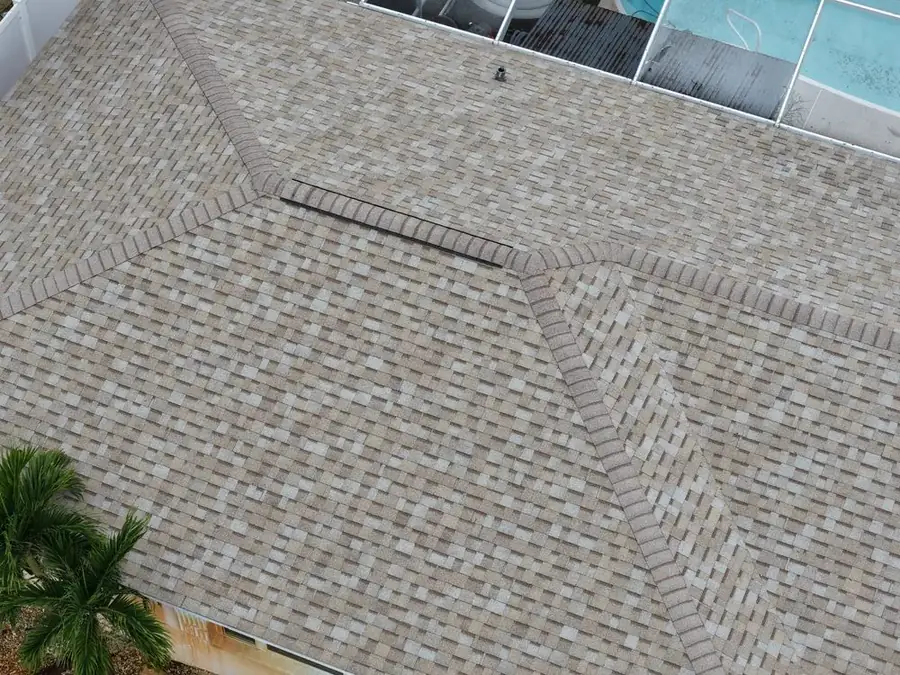
    New architectural shingle roof replacement in Carrollwood, Tampa

    Why a Roof Replacement Needs a Permit

    The permit is how the building department confirms your new roof is installed to the Florida Building Code. In a hurricane state that matters. A shingle rated for high winds only performs at that rating if the whole assembly matches the approved system: fasteners, underlayment, deck attachment and edge metal.

    • Code compliance. The building department signs off at the stages the code requires, so the work under the shingles is checked, not just the part you can see.
    • Insurance. Unpermitted or non-code work gives an insurer an easy reason to deny a claim after a storm.
    • Selling your home. A closed permit is a clean record that the roof was replaced properly.

    Who Should Pull the Permit?

    Your licensed roofing contractor. The permit ties the job to the contractor’s license and makes them responsible for meeting code. If a roofer asks you to pull an owner-builder permit yourself, treat that as disqualifying: it shifts the responsibility for the work onto you.

    At Roof X, we pull the permit, meet the city or county’s permit requirements and close the permit out, so you do not have to chase paperwork. Permit work is handled in-house by our own permit technician.

    How the Permit Fits Into Your Replacement

    1. Free estimate. We are on your roof within 48 hours, photograph its condition and tell you honestly whether it needs replacing.
    2. Written quote. Permits are a line item in the quote, alongside materials, labor and cleanup.
    3. Schedule and permit. You pick the day. We pull the permit and order the materials.
    4. Replacement day. Our W-2 crew tears off, repairs the deck, installs the new roof and cleans up, usually in one day.
    5. Final sign-off. The permit closes only after the final sign-off passes.

    Want the day-by-day picture? See roof replacement in Tampa.

    Permit Red Flags When You Compare Quotes

    • “You don’t need a permit for this.” A full replacement does.
    • A request for you to pull an owner-builder permit. That is the contractor’s job.
    • No permit line on the quote. A real quote shows materials, decking scope, permits, cleanup and dates in writing.
    • A noticeably low bid. A low bid often means missing scope, and skipping the permit is one of the most common shortcuts.
    • No Florida Product Approval numbers. Ask for the approval number on every product a contractor proposes.

    Why Tampa Homeowners Choose Roof X

    Roof X is a Florida roofing contractor licensed under CCC1330839, with a 4.9-star rating across 325 Google reviews. Our own W-2 crews do the work instead of subcontractors, most shingle replacements are done in one day, we pull and close the permits, and every replacement comes with a 10-year workmanship warranty. If storm damage is involved, see our Tampa insurance claim guide, and ask about financing options.

    Planning a new roof? Call (813) 590-1124 or request a free estimate below. We schedule estimates within 48 hours and handle the permit from start to finish.

    Questions

    Roof Permits in Tampa, Answered

    Something else on your mind? Call (813) 590-1124 and talk to a real person.

    Do I need a permit to replace my roof in Tampa?

    Yes. A full roof replacement needs a building permit before tear-off begins, through the City of Tampa inside city limits or Hillsborough County in unincorporated areas.

    Who pulls the roofing permit, me or the roofer?

    Your licensed roofing contractor. If a roofer asks you to pull an owner-builder permit, treat it as a red flag. Roof X pulls and closes every permit.

    Can an unpermitted roof affect my insurance?

    It can. Unpermitted or non-code work gives an insurer an easy reason to deny a claim after a storm.

    Is the permit included in my Roof X quote?

    Yes. Permits are a line item in our written quote, alongside materials, labor and cleanup.

    Free estimate

    Schedule your estimate 100% online.

    Tell us about your roof and we will text you a scheduling link. We are on your roof within 48 hours.

  • How Long Does a Roof Last in Orlando?

    How Long Does a Roof Last in Orlando?

    Home/Blog/How Long Does a Roof Last in Orlando?

    How Long Does a Roof Last in Orlando?

    Most Orlando shingle roofs last roughly 15 to 20 years; tile underlayment about 20 to 25. What wears roofs out in Central Florida and the signs yours is near the end.

    By Roof X · November 3, 2026 · 5 min read

    Short answer: in Orlando, most asphalt shingle roofs last roughly 15 to 20 years, and many hit trouble closer to the low end of that range. Tile itself can last a very long time, but the underlayment under it usually needs replacing after roughly 20 to 25 years. Metal lasts longer than shingles. How long your roof actually lasts depends on the material, how it was installed, and how hard the Central Florida sun and storms have been on it.

    The calendar is only part of the story. Here is what shortens a roof’s life in Orlando, what each material can expect, and how to tell when yours is near the end.

    Metal roof on a large waterfront home in Hyde Park, Tampa

    Why Orlando Is Hard on Roofs

    Central Florida roofs work harder than roofs in milder climates. The things that wear them out the fastest:

    • Sun and heat. Year-round UV and long, hot summers dry out shingles, break down sealants and age the underlayment.
    • Afternoon thunderstorms. Heavy rain almost every summer day tests every pipe boot, valley and piece of flashing on the roof.
    • Wind. Tropical storms and hurricanes along the I-4 corridor lift shingle edges and loosen tiles, which lets water in long before the roof is “old.”
    • Humidity. Moisture that gets under the roof stays there, and wet decking rots.

    How Long Each Roof Type Lasts in Orlando

    Asphalt Shingle

    Plan on roughly 15 to 20 years. Many Orlando homes built in the 1990s and 2000s still have their original architectural shingles, and those roofs are reaching the replacement window now. More on asphalt shingle roofs.

    Tile

    The tile can outlast the house, but the underlayment beneath it does not. After roughly 20 to 25 years, many tile roofs need the tile lifted, the underlayment replaced and the tile reinstalled, often reusing the existing tile. That is why many tile roofing jobs in Orlando are really underlayment jobs.

    Metal

    Metal costs more up front and lasts longer than shingles, and it holds up well to wind. It is a common choice for homeowners who plan to stay long-term and are tired of replacing a roof every 15 to 20 years. See metal roofing in Orlando.

    Signs Your Roof Is Near the End

    Age tells you when to start watching. These signs tell you the roof is actually wearing out:

    • Curling, cracking or bald shingles across the roof, not just in one spot.
    • Granules collecting in gutters and at the bottom of downspouts.
    • Leaks in more than one place, or the same leak coming back after a repair.
    • Soft or sagging spots that point to rotted decking underneath.
    • Cracked or slipped tiles and stains on the ceiling under a tile roof.

    One failed pipe boot on a 10-year-old roof is a repair, not a new roof. If you are unsure which side of the line you are on, read should I repair or replace my roof in Orlando.

    How to Get More Years Out of Your Roof

    • Fix small problems early. A loose flashing or cracked boot is cheap to fix and expensive to ignore.
    • Keep gutters clear so water drains off the roof instead of backing up under the edge.
    • Check the roof after big storms, and photograph any damage for your insurer.
    • Have it looked at regularly. Our Priority Care plan includes two maintenance visits a year and a pre-storm roof check.

    Roof Age and Your Insurance

    Roof age can affect your homeowners policy in Florida, and some Orlando homeowners replace an aging roof before their insurer forces the issue. A new roof can help with eligibility and can support wind-mitigation documentation. We photograph the finished roof and give you the paperwork. What your insurer does with it is up to them.

    Why Orlando Homeowners Choose Roof X

    Roof X is a family-owned Florida roofer, licensed under CCC1330839, with a 4.9-star rating across 325 Google reviews. Our own W-2 crews do the work instead of subcontractors, most shingle replacements are done in one day, we pull the permits, and every replacement comes with a 10-year workmanship warranty. When it is time, see roof replacement in Orlando and our financing options.

    Wondering how many years your roof has left? Call (813) 590-1124 or request a free estimate below. We schedule estimates within 48 hours, show you photos of what we find, and give you a straight answer.

    Questions

    Roof Lifespan in Orlando, Answered

    Something else on your mind? Call (813) 590-1124 and talk to a real person.

    How long does a shingle roof last in Orlando?

    Roughly 15 to 20 years. Heat, UV and storms mean many Orlando shingle roofs show wear toward the lower end of that range.

    How long does a tile roof last in Florida?

    The tile itself can last a very long time, but the underlayment beneath it usually needs replacing after roughly 20 to 25 years. The tile can often be lifted and reinstalled.

    Does a metal roof last longer than shingles?

    Yes. Metal costs more up front but lasts longer than asphalt shingles and holds up well to wind.

    How do I know if my roof needs replacing?

    Look for curling or bald shingles across the roof, granules in gutters, leaks in more than one place and soft spots. One isolated leak is usually a repair.

    Does Roof X give free estimates in Orlando?

    Yes. We schedule free estimates within 48 hours, photograph what we find and give you a written quote.

    Free estimate

    Schedule your estimate 100% online.

    Tell us about your roof and we will text you a scheduling link. We are on your roof within 48 hours.

  • Should I Repair or Replace My Roof in Orlando?

    Should I Repair or Replace My Roof in Orlando?

    Home/Blog/Should I Repair or Replace My Roof in Orlando?

    Should I Repair or Replace My Roof in Orlando?

    Repair an Orlando roof when damage is limited and the rest is sound; replace it when leaks spread or keep coming back. How to tell, including tile roofs.

    By Roof X · October 29, 2026 · 5 min read

    Short answer: repair your Orlando roof when the damage is limited to one area and the rest of the roof is sound. Replace it when leaks show up in more than one place, problems keep coming back, or the shingles are curling, cracking or losing granules across the whole roof. When it is a close call, we give you both options in writing.

    Age matters, but it is not the whole story. In Central Florida, the sun, heat and storm cycle decide more than the calendar does. Here is how to tell which side of the line your roof is on.

    Aerial view of a finished tile roof in South Tampa, FL

    When a Repair Is the Right Call

    A repair is good value when it fixes the actual problem and the rest of the roof has years left in it. Common Orlando repairs include:

    • A failed pipe boot or vent flashing. One leak at one penetration is a repair, not a new roof.
    • A few lifted or missing shingles after a thunderstorm, with the surrounding shingles still flat and intact.
    • Wall or chimney flashing that has pulled loose in one spot.
    • Cracked or slipped tiles on an otherwise healthy tile roof.

    On a newer roof, a repair is often the honest answer. If that is all your roof needs, that is all we recommend. See roof repair in Orlando for what that work looks like.

    When Replacement Makes More Sense

    A repair on a roof that is failing everywhere is not a good deal. It buys a few months and then you pay again. Replacement starts to make sense when you see:

    • Leaks in more than one place, or the same leak coming back after it was fixed.
    • Curling, cracking or bald shingles across the roof, not just on one slope.
    • Granules collecting in gutters and at the bottom of downspouts.
    • Soft or sagging spots that point to rotted decking underneath.
    • Widespread storm damage after a hurricane or a hail event along the I-4 corridor.

    Many Orlando homes built in the 1990s and 2000s still have their original architectural shingles, and those roofs are reaching the replacement window. If yours is one of them and the problems are spread out, a roof replacement in Orlando is usually the better long-term spend.

    Tile Roofs Are a Special Case

    Tile is common on premium Orlando homes and on the Mediterranean Revival and Spanish-influenced houses around Lake Eola Heights. The tile itself can last a very long time, but the underlayment beneath it does not. That gives tile owners three options, not two:

    1. Replace cracked or slipped tiles when the leak is local.
    2. Lift the tile, replace the underlayment and reinstall it when the tile is sound but the layer underneath has aged out.
    3. Full tile re-roof when the tile is too far gone to reuse.

    We tell you honestly which one your roof needs. More on tile roofing in Orlando.

    What About Insurance?

    Roof condition can affect your homeowners policy, and some Orlando homeowners replace a worn roof before their insurer forces the issue. A new roof can help with eligibility and can support wind-mitigation documentation. We photograph the finished roof and give you the paperwork. What your insurer does with it is up to them. If storm damage is the reason you are asking, read our guide to roof insurance claims in Florida first.

    How We Help You Decide

    At your free estimate, scheduled within 48 hours, we get on the roof, photograph what we find and show you the photos. You get a written, line-item quote. When repair and replacement are both reasonable, you get both, with the tradeoffs spelled out, so you can decide without pressure.

    Why Orlando Homeowners Choose Roof X

    Roof X is a family-owned Florida roofer, licensed under CCC1330839, with a 4.9-star rating across 325 Google reviews. Our own W-2 crews do the work instead of subcontractors, most shingle replacements are done in one day, we pull the permits, and every replacement comes with a 10-year workmanship warranty. If replacement is the answer and budget is the worry, see our financing options.

    Not sure which side of the line your roof is on? Call (813) 590-1124 or request a free estimate below and we will give you a straight answer.

    Questions

    Repair vs. Replace, Answered

    Something else on your mind? Call (813) 590-1124 and talk to a real person.

    Should I repair or replace my roof in Orlando?

    Repair when the damage is limited to one area and the rest of the roof is sound. Replace when leaks show up in several places, keep coming back, or the shingles are worn across the whole roof.

    Is it worth repairing an older roof?

    Sometimes. If one spot failed and the rest of the roof is in good shape, a repair can buy years. If wear is spread across the roof, a repair usually only delays the replacement.

    Can a tile roof be repaired instead of replaced?

    Often. Cracked or slipped tiles can be replaced, and sound tile can be lifted so the underlayment is replaced and the tile reinstalled. A full re-roof is only needed when the tile is too far gone.

    Does Roof X give free estimates in Orlando?

    Yes. We schedule free estimates within 48 hours and give you a written, line-item quote, with both options when it is a close call.

    Free estimate

    Schedule your estimate 100% online.

    Tell us about your roof and we will text you a scheduling link. We are on your roof within 48 hours.

  • How Long Does a Roof Replacement Take in Tampa?

    How Long Does a Roof Replacement Take in Tampa?

    Home/Blog/How Long Does a Roof Replacement Take in Tampa?

    How Long Does a Roof Replacement Take in Tampa?

    Most Tampa shingle roof replacements take one day on the roof; larger or complex roofs take two to three. Here is what happens before, during and after.

    By Roof X · October 27, 2026 · 5 min read

    Short answer: most Tampa shingle roof replacements take one day on the roof. Larger or more complex roofs take two to three days. The calendar time around that day is mostly the permit and material delivery, and we handle both.

    That is the honest version. Below is what actually happens, what can stretch the schedule, and what you can do to keep your project moving.

    New architectural shingle roof replacement in Carrollwood, Tampa

    Before Replacement Day

    Most of the waiting happens before a single shingle comes off. Here is the order of events for a typical Roof X roof replacement in Tampa:

    1. Free estimate. We schedule free estimates within 48 hours. We measure the roof, check the decking from the attic where we can, and note anything that affects the scope.
    2. Written quote. You get a line-item quote showing materials, labor, permits and cleanup before you decide. No pressure and no surprise add-ons later.
    3. Permit. A full replacement needs a permit before tear-off begins. We pull it, never you. Our permit technician handles the paperwork with the City of Tampa or Hillsborough County, depending on where you live.
    4. Materials staged. Once the permit is in hand we order and stage materials, then lock in a date with you.

    How long the permit takes depends on the building department’s queue at the time, which is busier after a named storm. We tell you where your permit stands instead of leaving you guessing.

    What Happens on Replacement Day

    On a typical shingle roof, our own W-2 crew does all of this in a single day:

    • Arrives early and protects landscaping, the pool area and driveway.
    • Tears off the old roof down to the deck.
    • Replaces any soft or rotten decking (the decking scope is spelled out in your quote).
    • Installs new underlayment, flashing, drip edge and ventilation.
    • Installs the new roof and ridge.
    • Cleans up the property and hauls away the debris.

    After that, the building department gives its final sign-off and the permit is closed. We close the permit out, so you do not have to chase paperwork.

    What Can Stretch the Timeline

    One day is the norm, not a promise for every house. These are the things that add time:

    • Size and pitch. A large or steep roof with many valleys and dormers takes longer to tear off and dry-in safely.
    • Extra layers. If an older roof was laid over another roof, both layers come off.
    • Decking repairs. Widespread rot under the old roof means more sheets to replace before the new roof goes on.
    • Material. Tile and metal roofs take more labor than shingle. Your quote lists the planned number of days for your roof.
    • Weather. Tampa summer afternoons bring storms. We do not open a roof we cannot close the same day, so a bad forecast can move the start date.
    • Storm season demand. After a hurricane or tropical storm, permits and materials both slow down across Tampa Bay. If your roof is near the end of its life, scheduling before peak season helps.

    Can You Stay Home During the Replacement?

    Yes. Most homeowners stay home. It is loud, so plan to be out of the house or working with headphones during tear-off. Move cars out of the driveway, take fragile items off walls that share the roofline, and keep pets inside and away from the work area.

    Why Tampa Homeowners Choose Roof X

    Roof X is headquartered in Tampa and licensed in Florida (CCC1330839). We hold a 4.9-star rating across 325 Google reviews, our own W-2 crews do the work instead of subcontractors, and every replacement comes with a 10-year workmanship warranty. If the budget is the question, see our financing options.

    Want a real timeline for your roof? Call (813) 590-1124 or request a free estimate below. We will tell you how many days your roof needs and when we can start.

    Questions

    Roof Replacement Timing, Answered

    Something else on your mind? Call (813) 590-1124 and talk to a real person.

    How long does a roof replacement take in Tampa?

    Most Tampa shingle replacements take one day on the roof. Larger or more complex roofs take two to three days, and tile or metal roofs take longer than shingle.

    Do I need a permit to replace my roof in Tampa?

    Yes. A full replacement needs a permit before tear-off begins. Roof X pulls the permit and closes it out after the building department’s final sign-off.

    Does rain delay a roof replacement?

    It can. We do not open a roof we cannot close the same day, so a bad forecast can move the start date by a day or two.

    How soon can Roof X give me an estimate?

    We schedule free estimates within 48 hours anywhere in our Tampa Bay service area.

    Free estimate

    Schedule your estimate 100% online.

    Tell us about your roof and we will text you a scheduling link. We are on your roof within 48 hours.

  • 7 Warning Signs Your Tampa Roof Needs Replacement

    Home/Blog/7 Warning Signs Your Tampa Roof Needs Replacement

    7 Warning Signs Your Tampa Roof Needs Replacement

    Most Tampa roofs need replacement at year 18-22. Here are the seven signs you’ve reached the window. And what to do once you spot them.

    By Rene Diaz Jr., President · March 12, 2026 · 7 min read

    Most Tampa roofs reach the end of their useful life somewhere between year 18 and year 22. Florida sun, hurricane season, and humidity shorten asphalt shingle life by roughly 25% compared with the same materials in milder climates. So if your roof is over 15 years old, the question isn’t if it needs replacing. It’s when.

    Here are seven signs worth checking for. If you spot two or more of these, it’s a good time to schedule a free roof estimate and get a straight answer about where your roof stands.

    1. Curling, cupping, or clawing shingles

    Healthy asphalt shingles lay flat. As they age, the asphalt loses its oils and the felt mat beneath shrinks. The result is one of three patterns:

    • Curling. The corners turn up like potato chips
    • Cupping. The centers dish down while the edges raise
    • Clawing. The bottom edge curls back in on itself

    You can usually spot this from the ground with binoculars. Walk the perimeter on a sunny afternoon and look for shingles that don’t sit flush with the rest of the field. If half your roof shows visible movement, you’re past the point where a targeted roof repair makes sense.

    2. Granule loss in gutters

    Asphalt shingles are protected by a layer of mineral granules that wear off with age and weather. A handful in your gutters after a hard storm is normal. A consistent quarter-inch of asphalt grit at every downspout means your shingles are on borrowed time.

    Granule-stripped shingles are also lighter, which lowers their wind resistance, and more prone to cracking under heavy rain. Bald patches speed up UV damage to whatever’s underneath. Once granule loss is widespread, the underlayment becomes the next thing exposed, and underlayment failure is usually how interior leaks start.

    It’s worth checking twice a year: at the end of dry season in May and again after the first heavy rain in September.

    3. Multiple repaired leaks in different areas

    One leak is a roof problem. Three leaks in three different spots over five years is a system problem.

    A Florida roof is exactly that, a system: underlayment, shingles or tiles, flashings, ventilation, sealants. When a roof nears the end of its life, components tend to fail around the same time. You patch a leak at the chimney, then a few months later there’s a new one at the bathroom vent, then the valley starts dripping in the next storm.

    Each individual repair makes sense on its own. The pattern doesn’t. If you’ve paid for three or more separate repairs in different areas over the last three to five years, a full replacement often pays for itself within a year or two through stopped repair bills, lower insurance premiums, and avoided interior damage.

    4. Visible sagging anywhere on the roofline

    Stand across the street from your house and look at the ridge line. It should be straight.

    If you see a dip, a wave, or a soft spot where the roof seems to bow downward, that’s a structural concern. The most common causes:

    • Saturated decking from long-term water intrusion, where the plywood has gone soft
    • Failed rafters or trusses from termite damage or chronic moisture
    • Overloaded structure from too many layers of shingles (Florida code allows two layers max, and a lot of older homes have three)

    A sagging roof isn’t something to monitor. It’s something to deal with soon. We don’t charge for a visit to take a look. Call (813) 590-1124 and we’ll get out there.

    5. Daylight visible from inside the attic

    Climb into your attic with a flashlight on a sunny afternoon. Turn the flashlight off and look up. You should see no light coming through the roof deck.

    Pinpoint dots of daylight are usually nail holes that have backed out, gaps around penetrations, or small punctures from debris, and those can be patched. Bands or shafts of daylight mean the deck has separated, the underlayment is gone, or something above is missing. That’s a replacement conversation.

    While you’re up there, also check for:

    • Wet insulation, shown by dark stains, matted fibers, or visible mold
    • A sagging deck between rafters
    • Daylight at the ridge, common when ridge cap shingles have failed
    • Crumbling insulation when pinched, a sign it’s been wet for a while

    6. Algae streaking that won’t clean

    Those black streaks running down the slopes of your roof are Gloeocapsa magma, a hardy cyanobacteria that thrives in Florida humidity. On a healthy roof, a soft-wash cleaning removes the streaks and they take a couple of years to return.

    On an older roof, the algae has eaten into the shingle’s mineral surface enough that cleaning no longer fully restores the look. The streaks come back within months because the shingle has become a damp, organic surface, exactly what the bacteria want, and the cycle speeds up.

    If you’ve cleaned the roof in the last three years and the streaks are already back darker than before, the shingle has likely lost its ability to shed weather properly. Cleaning it again won’t fix that.

    For homeowners in South Tampa, Hyde Park, and other older neighborhoods with mature tree canopies, algae is a recurring issue we see often. Modern algae-resistant shingles, which most major manufacturers now offer, carry a 10-year algae warranty and stay cleaner noticeably longer.

    7. Your insurance company has flagged your roof

    In Florida, this is the warning sign that can cost you the most.

    Carriers are non-renewing or refusing to write policies on roofs over 20 to 25 years old, regardless of condition. Some are dropping to Actual Cash Value settlements on roofs over 10 or 15 years old. Some require a 4-point report before renewal and use its findings to deny coverage.

    If you’ve received any of the following, your roof is likely the reason:

    • A non-renewal letter
    • A renewal with a steep premium increase
    • A demand for a 4-point report or wind mitigation report update
    • A letter requiring photo documentation of the roof
    • Notice that your roof is now on Actual Cash Value rather than Replacement Cost Value

    Replacing a roof to satisfy an insurance carrier is rarely a homeowner’s first choice, but the math often works out. The gap between an ACV claim and an RCV claim, combined with rising hurricane risk, can make a planned replacement cheaper than a reactive one after a storm.

    We’ve replaced many roofs in Brandon, Riverview, and New Tampa specifically to reset insurance terms. A new roof can pay for itself over several years through premium savings alone.

    The verdict: replace vs. repair

    Here’s a simple framework for thinking through the decision:

    SituationRecommendation
    One isolated issue, roof under 12 years oldTargeted repair
    Two issues, roof 12–17 years oldRepair, but plan for replacement in 3–5 years
    Three or more issues, roof 15+ years oldReplacement
    Any structural sag, widespread granule loss, or insurance non-renewalReplacement
    Roof over 20 years old, even if it “looks fine”A frank conversation with a roofer

    A repair pays off when it buys meaningful additional life. It’s a poor investment when it’s a $1,500 patch on a roof that needs $15,000 of work within 18 months anyway.

    What we do on a replacement evaluation

    When you call us for a replacement evaluation, here’s what happens:

    1. Free estimate within 48 hours of your call. We go on the roof, into the attic, and around the perimeter with cameras and moisture meters.
    2. A written report with photos of every concern, marked on a diagram of your roof.
    3. An honest recommendation: repair, replace, or wait. We’ll tell you if waiting makes sense.
    4. An itemized quote if replacement is the right call, with material options at three price points.
    5. An insurance walk-through if there’s any chance the damage qualifies. We know what carriers typically cover.

    Many Tampa roofs we replace are completed in a single day. The crew arrives at sunrise, the old roof is off by lunch, and the new system is on and watertight before sundown. We pull the permits, coordinate the building department sign-off, and back the workmanship with a 10-year warranty, on top of manufacturer material warranties.

    Schedule your free estimate

    If two or more items on this list sound familiar, it’s worth getting a professional look before a storm forces the decision. Call (813) 590-1124 or request your free estimate online. We’ll give you a straight answer on whether the roof has a few more years left or whether it’s time for a change.

    We’ve been doing roofing work in Tampa, Brandon, Riverview, Wesley Chapel, and Clearwater since 2015, with honest answers, fair pricing, and single-day installs.

    Free estimate

    Schedule your estimate 100% online.

    Tell us about your roof and we will text you a scheduling link. We are on your roof within 48 hours.

  • How to Choose a Roofing Contractor in Tampa (Without Getting Burned)

    Home/Blog/How to Choose a Roofing Contractor in Tampa (Without Getting Burned)

    How to Choose a Roofing Contractor in Tampa (Without Getting Burned)

    Florida has 12,000+ licensed roofers and a lot of storm chasers. A practical, Tampa-specific guide to vetting a roofer before you sign anything.

    By Rene Diaz Jr., President · February 26, 2026 · 11 min read

    Florida has somewhere north of 12,000 licensed roofing contractors, plus an unknown number of unlicensed ones who only show up after named storms. After every hurricane, the Tampa Bay area gets blanketed with truck-and-ladder operations from out of state offering free estimates and “I’ll handle your insurance for you” pitches.

    Most of them are fine. Some aren’t. The bad ones cost homeowners tens of thousands of dollars through botched installs, voided warranties, and abandoned jobs.

    Here’s how to tell the difference before you sign anything.

    Start with the license

    Every legitimate roofing contractor in Florida holds a license number from the Department of Business and Professional Regulation (DBPR). For roofing, the license prefix is CCC (Certified Roofing Contractor). Ours is #CCC1330839.

    You can verify any license in about 60 seconds:

    1. Go to the DBPR license search portal.
    2. Enter the license number or the company name.
    3. The page tells you the license status (active, null, suspended), the qualifying agent’s name, the issue date, and any disciplinary actions.

    What you’re checking:

    • Status: Active. Not “null and void,” not “expired,” not “voluntary inactive.”
    • License type: CCC for residential or CCC plus commercial endorsements for larger commercial work.
    • Workers’ compensation exemption status. Fine if exempt, but it should be on file.
    • Certificate of Liability Insurance. Separate from the license. Ask for a current COI showing at least $1M general liability.

    If a contractor balks at sharing the license number or the COI, the conversation should end. Florida requires both. Reluctance is a red flag.

    Local presence matters more than you’d think

    There’s a meaningful difference between a roofer who lives in Tampa and a roofer who shows up in Tampa after storms.

    Local contractors:

    • Have ongoing relationships with material suppliers (better lead times, better pricing)
    • Know the local building departments and the quirks of Hillsborough, Pinellas, and Pasco County permitting
    • Pull permits in their own name (storm chasers often pull no permits, leaving the homeowner liable)
    • Are still here in three years when something needs warranty service
    • Have local references you can drive to and look at

    Out-of-state storm chasers may also do good work. But if there’s a problem two years later, you’re chasing them across state lines. We’ve inherited plenty of warranty calls from companies that were “based in” Tampa for the six weeks after a hurricane and unreachable afterward.

    You can ask where the office is and visit it if you want. Ours is at 1512 McKay Bay Ct, Suite 1, Tampa, FL 33619. We’ve been at that address as a working roofing office, not a virtual mailbox.

    Insurance. Both kinds

    There are two insurance documents you want to see before any contractor sets foot on your roof:

    1. General liability insurance. Covers damage the contractor causes to your property. A dropped ladder through a window, a damaged HVAC unit, water intrusion from an open roof during a sudden rain. Florida licensed contractors carry minimums, but you want to see at least $1M. Ask for a Certificate of Insurance (COI) from their carrier, not a screenshot.

    2. Workers’ compensation. Covers injuries to the contractor’s workers on your property. If a roofer falls off your roof and the company has no workers’ comp, you can be sued personally for medical bills. Florida law requires workers’ comp for any business with four or more employees in non-construction work, but for construction the threshold is one employee. Some sole proprietors carry an exemption certificate. Either is fine, but you need to verify which applies.

    Ask for both COIs. Verify they’re current. Have your own name added as a “certificate holder” on each one. That triggers automatic notification if the policies lapse during your project.

    Get more than one quote, and read the contracts

    The single best thing you can do is get three written quotes from three independent roofers.

    Not because you’re comparison-shopping for the lowest price, you’re not, the lowest price is almost always a problem. You’re comparing scopes and looking for differences.

    A real Tampa roof replacement scope should include:

    • Tear-off of all existing roofing layers down to the deck
    • Deck check with replacement of any damaged sheathing (priced per sheet, $80 to $150 per sheet is standard)
    • Drip edge at all eaves and rakes (Florida code requires it)
    • Ice-and-water shield at all penetrations, valleys, and the perimeter (or self-adhered underlayment if going synthetic)
    • Underlayment. The type matters (synthetic vs felt, single-ply vs peel-and-stick)
    • Starter strip along eaves and rakes
    • Field shingles with the manufacturer, line, and color specified
    • Hip and ridge cap of matching profile
    • Pipe boots replaced (not reused) at every penetration
    • Step and counter flashing at all walls and chimneys, replaced where deteriorated
    • Ridge ventilation where applicable
    • Code-required upgrades specific to your project (re-nailing the deck, secondary water barrier, hurricane straps if exposed)
    • Permit and sign-off fees
    • Debris haul-off
    • Cleanup including magnetic sweep for nails

    A contract that just says “replace roof, $14,500” is not a real contract. Ask for the line items in writing. If the contractor pushes back, that tells you something.

    Compare materials, not just prices

    Two contractors can quote the same square footage and have very different materials. Ask specifically about:

    • Shingle line and warranty. GAF Timberline HDZ, CertainTeed Landmark Pro, Owens Corning Duration. Each has a base shingle and an upgraded version. The upgraded version has a longer warranty (often 50 years vs 25 to 30) and better wind ratings (130 mph vs 110 mph).
    • Underlayment type. Synthetic vs 30-pound felt. Synthetic is now the Florida standard for new construction; felt is increasingly only used on small repairs. Self-adhered (peel-and-stick) underlayment is the highest tier and sheds wind-driven rain dramatically better than mechanically-fastened underlayment.
    • Drip edge gauge, 26 gauge vs 28 gauge. Heavier is better for hurricane country.
    • Nail count per shingle, 6 nails per shingle is the Florida high-wind standard. Some contractors quote 4-nail patterns to save labor. The shingle warranty often requires 6 to be valid.

    We cover the differences in detail on the asphalt shingle materials page and the broader roof replacement service page. If a quote you’re holding is significantly cheaper than another, it’s almost always one of these specs.

    Reviews, but read them carefully

    Google reviews are one of the most useful signals of contractor quality. They’re harder to fake than they used to be, and they accumulate over time.

    What to look for in reviews:

    • Volume. A contractor with 8 perfect reviews and a 5.0 rating may have asked their friends. A contractor with a few hundred reviews and a strong average rating has a real track record.
    • Recency. A contractor with strong reviews from 2018 and nothing since may have changed ownership or quality.
    • Specificity. “Great job!” tells you nothing. “They replaced our roof in one day, the foreman walked us through everything, and they came back to fix a flashing detail two months later at no charge” tells you a lot.
    • Response to negative reviews. Every contractor gets a one-star occasionally. The question is how they respond: defensive, dismissive, or professional.

    Beyond Google, check the BBB, the DBPR’s complaint history (separate from the license search above), and ask for three local references. Drive to the references’ houses and look at the roofs.

    Watch for these red flags

    Here’s the pattern that tends to show up in failed projects:

    • Door-to-door sales pitches in the 72 hours after a storm. The good roofers are tarping roofs and answering dozens of calls a day. They’re not knocking on doors. The ones knocking on doors are often out-of-state operations that vanish in 90 days.
    • Pressure to sign immediately. “This pricing is only good today” is a sales tactic, not a real constraint. Take the time to read.
    • Demands for a large deposit. Florida law (FS 489.126) caps roofing contractor deposits at 10% of the contract price. Anyone asking for 30%, 50%, or “full payment up front” is breaking state law.
    • No physical address. A contractor without a real office is a contractor without an address to mail a warranty claim to.
    • Vehicles without company branding. Logo trucks aren’t proof of legitimacy, but unbranded trucks combined with magnetic door signs are a warning sign for storm-chaser operations.
    • “We’ll handle your deductible.” Illegal in Florida (FS 489.147). Contractors waiving, rebating, or absorbing the homeowner’s insurance deductible commits insurance fraud, and the homeowner can be liable too.
    • “Free roof! Insurance pays for everything!” Sometimes true. Often misleading. A roofer who can’t tell you exactly what insurance is paying for and what you’re paying for is one to skip.
    • Cash-only operations or insistence on payment outside normal channels. Legitimate contractors take checks and credit cards.
    • Refusal to pull permits. Tampa-area municipalities require permits for almost any roof work over a few hundred dollars. A roofer who says “we can skip the permit” is one who knows their work won’t pass building department sign-off.

    Questions to ask before you sign

    Print this list and ask every contractor:

    1. What’s your Florida license number? (Verify it on DBPR.)
    2. Can I see your current Certificate of Insurance? (General liability plus workers’ comp.)
    3. How long have you been in business in Tampa specifically?
    4. Who pulls the permit, you or me?
    5. What’s your warranty, both material and workmanship?
    6. Are you authorized installers for the manufacturer? (For premium warranties.)
    7. What’s your deposit policy? (Should be 10% or less.)
    8. Who’s the foreman who’ll be on my roof?
    9. What does cleanup include? Magnetic sweep?
    10. What happens if you find rotted decking? How is that priced?
    11. What’s the realistic start date and finish date?
    12. Can I see three references from the last six months that I can call?

    A confident, established roofer answers every one of these in plain language without hesitation. A storm chaser deflects on at least three.

    What a fair Tampa quote looks like

    For context, here’s the rough range we see for asphalt shingle replacements in Tampa Bay in 2026:

    • Smaller homes (1,500 to 2,000 sq ft footprint, low-slope, simple roof), $9,500 to $14,000
    • Mid-size homes (2,500 to 3,500 sq ft footprint, moderate complexity), $14,000 to $22,000
    • Large or complex roofs (steep slopes, multiple valleys, dormers, lots of penetrations), $22,000 to $35,000+

    Tile and metal roofs run substantially higher; flat sections and TPO/modified bitumen change the math.

    A quote significantly below the bottom of this range is a red flag, not a deal. The labor and material costs are the labor and material costs. Someone undercutting them is cutting corners somewhere, usually labor, materials, or the warranty backing.

    The “single-day install” reality check

    You’ll see “we install in a single day” on a lot of Tampa roofer sites, including ours. Here’s the honest version:

    Most asphalt shingle roofs on residential homes can be torn off and replaced in a single day if:

    • The crew is sized appropriately (5 to 8 roofers, not 2)
    • The roof is under 4,000 sq ft of actual roof surface
    • The decking doesn’t require widespread replacement
    • The weather cooperates

    Larger, more complex, tile, metal, or flat roofs may take two to four days. A contractor promising a one-day install on a 6,000-sq-ft tile roof is either staffing a small army or oversimplifying.

    Ask how many crew members will be there, what the realistic schedule is, and what happens if rain delays the tear-off.

    The Tampa roofer summary

    If you want a fast version of the whole vetting process:

    1. Verify the license on DBPR.
    2. Get three written quotes with full line items.
    3. Read the scope for materials, warranties, and code-required items.
    4. Check Google reviews for volume, recency, and specificity.
    5. Confirm insurance (GL plus workers’ comp) with current COIs.
    6. Skip anyone asking for more than 10% deposit.
    7. Skip anyone offering to handle your deductible.
    8. Pick the contractor whose scope is most complete, not whose price is lowest.

    We’ve been doing roofing in Tampa Bay for 50+ years of combined crew experience. We’re licensed, insured, and based in Tampa year-round. We use our own W-2 crews rather than subcontractors, and we don’t knock on doors after storms, but we do answer the phone and get out to tarp roofs in the days after a major event.

    If you want a free roof estimate and an honest quote, call (813) 590-1124. We can typically get out within 48 hours, the estimate is free, and the quote we send afterward is itemized. Whatever you decide, even if it’s not us, you’ll have a real document to compare against.

    Free estimate

    Schedule your estimate 100% online.

    Tell us about your roof and we will text you a scheduling link. We are on your roof within 48 hours.

  • Roof Warranties Explained: Material vs. Workmanship

    Home/Blog/Roof Warranties Explained: Material vs. Workmanship

    Roof Warranties Explained: Material vs. Workmanship

    Two warranties protect a new roof. Material and workmanship. Here’s exactly what each covers, what voids them, and what to look for in Tampa.

    By Rene Diaz Jr., President · January 22, 2026 · 7 min read

    Every new roof in Tampa comes with two separate warranties, and most homeowners don’t realize they’re actually different documents with different terms, different exclusions, and different ways to file a claim.

    The two are:

    1. The material warranty. From the manufacturer of the shingles, tiles, or metal panels.
    2. The workmanship warranty. From the contractor who installed the roof.

    Both matter, and either one can be voided without you realizing it. Here’s how each one works, what to watch for, and how to keep them both intact.

    The material warranty

    This is the one you see in advertising: “lifetime!” or “50-year warranty!” Those numbers are real, but they only apply to specific failure types and come with conditions.

    What it covers

    A typical asphalt shingle material warranty covers manufacturing defects: shingles that crack, blister, lose granules excessively, or fail in ways traced back to how they were made rather than to weather, installation, or normal wear.

    Most warranties are structured in tiers:

    • Years 1 to 10 or 1 to 15: full replacement cost coverage. If the material fails, the manufacturer replaces both the material and, in better warranties, the labor to install it.
    • Years 11+ or 16+: pro-rated coverage. The manufacturer covers a shrinking percentage of replacement cost as the roof ages. By year 25 of a 30-year warranty, coverage might be down to 10 to 20% of replacement.

    Premium warranties (GAF Golden Pledge, CertainTeed SureStart, Owens Corning Platinum) extend full coverage longer, often to 50 years, and add manufacturer-backed workmanship coverage on top of the contractor’s own workmanship warranty.

    What it doesn’t cover

    • Wind damage. Most material warranties only cover wind up to a specific mph rating (110, 130, or 150, depending on the shingle line and how it was installed). Damage from stronger winds is a matter for your insurance, not the warranty.
    • Hail damage. Same story. That’s insurance territory, not warranty territory.
    • Algae streaking, unless the warranty specifically includes an algae-resistance term (most modern shingles come with 10 years of that coverage).
    • Improper installation. This is the biggest exclusion. If the shingles weren’t installed to the manufacturer’s specifications, the warranty is void.
    • Pre-existing decking issues. If the substrate under the roof was already bad, that’s not the manufacturer’s problem.
    • Acts of God. Hurricanes, tornadoes, and similar events.
    • Color matching. Manufacturers don’t guarantee a replacement shingle will match the existing roof after years of sun exposure.

    What voids it

    The most common ways homeowners accidentally void their material warranty:

    • Walking on the roof. Some manufacturers require professional access only.
    • Power-washing. High-pressure water strips granules and voids most warranties. Soft-wash only.
    • Installing satellite dishes, solar panels, or anything that penetrates the roof without proper flashing. New penetrations need professional installation.
    • Painting the roof. Don’t.
    • Skipping registration. Many premium warranties require registering with the manufacturer within 30 to 60 days of installation. Miss that window and you lose the upgraded tier.
    • Selling the home without transferring the warranty. Most are transferable, but only if you handle the paperwork. Some allow just one transfer.

    How to claim

    If you suspect a material defect:

    1. Document the issue with photos, dates, and conditions.
    2. Contact the manufacturer (the contractor can file on your behalf, or you can go direct).
    3. The manufacturer sends someone to verify the failure mode.
    4. If verified, they issue replacement materials and, depending on warranty tier, labor coverage.

    The process typically takes 30 to 90 days. Manufacturer reviewers are technical and methodical, so keep your documentation organized and be patient.

    The workmanship warranty

    This is the contractor’s promise that the installation itself was done correctly. It’s separate from the material warranty and covers a different set of problems.

    What it covers

    • Leaks from improper installation. Flashing not lapped correctly, valley details wrong, penetrations not sealed.
    • Wind damage tied to installation. Shingles not nailed correctly, drip edge not fastened, ridge cap not secured to code.
    • Ventilation problems caused by the installer. Blocked soffit vents, missing ridge ventilation, attic moisture caused by the install.
    • Step flashing and counter flashing failures within the warranty term.

    The standard Tampa workmanship warranty runs 5 years. Better contractors offer 10. The best offer lifetime workmanship for as long as the original homeowner owns the home.

    We provide a 10-year workmanship warranty on every Tampa roof we install. Details are on our warranty page.

    What it doesn’t cover

    • Failures of the material itself. That’s the manufacturer’s territory.
    • Damage from third parties, like another contractor walking on your roof and causing damage.
    • Storm damage beyond what the install was rated for.
    • Acts of God. Hurricanes, tornadoes, fire.
    • Modifications by other parties. If someone else installs a satellite dish that leaks, that’s not on the original installer.

    What voids it

    • Non-payment. A contract isn’t a warranty if you didn’t pay for the work.
    • Modifications by unauthorized contractors. A second roofer installing skylights, vents, or solar panels can void coverage on the areas they touched.
    • Failure to perform reasonable maintenance. Rare in practice, but possible if a homeowner ignores known issues for years.

    How to claim

    Usually simpler than a manufacturer claim:

    1. Call the contractor ((813) 590-1124 if it’s us).
    2. Describe the issue and send photos.
    3. We schedule a free visit to look at it.
    4. If it’s a workmanship issue covered by the warranty, we fix it at no charge.

    Good contractors stand behind their work without making you fight for it. The not-so-good ones go quiet. That’s one reason local presence matters. See our guide to choosing a Tampa roofer.

    Premium warranty tiers

    The major manufacturers offer enhanced warranties that combine material, workmanship, and manufacturer-backed coverage. They cost more (the contractor pays a premium per square to register them) and require:

    • A specific “system” of products: shingles plus matching underlayment, ridge cap, and starter strip
    • Certified-installer status for the contractor (we are; many aren’t)
    • Registration within a set window after installation

    The benefits:

    • Coverage extends to 50 years
    • The manufacturer covers labor in addition to material
    • If the contractor goes out of business, the manufacturer takes on responsibility
    • Often transferable to future homeowners

    Whether it’s worth the extra cost depends on:

    • How long you plan to stay in the home (longer means more value)
    • Whether you trust the contractor to still be around (most established Tampa roofers are fine; storm-chasers aren’t)
    • The premium cost, typically $1,500 to $3,500 on a typical Tampa home

    Premium tiers tend to make the most sense for homeowners planning to stay 7+ years. For a shorter timeline, the basic warranty is usually enough.

    Comparing warranty quotes

    When you have three quotes from three contractors, the warranty terms aren’t always apples to apples. Look at:

    ItemWhat to verify
    Material warrantyManufacturer, product line, and warranty tier (basic vs. premium)
    Workmanship warranty5 vs. 10 vs. lifetime
    Wind rating included110, 130, or 150 mph
    Algae resistanceIncluded or excluded, and for how long
    TransferabilityOne transfer, multiple transfers, or non-transferable
    Installer certificationRequired for premium tiers
    Registration responsibilityContractor or homeowner

    Two quotes that look similar in price can have very different warranty backing. A contractor offering a 5-year workmanship warranty plus basic material coverage isn’t the same deal as one offering 10-year workmanship plus premium material coverage, even if the sticker price matches.

    What to keep, and where to keep it

    The day your roof is installed, you should receive:

    • Final invoice marked paid in full
    • Signed workmanship warranty document
    • Material warranty registration confirmation from the manufacturer
    • Photo documentation of the installation
    • Permit and sign-off records from the municipality
    • Wind mitigation report (good for 5 years, and helpful for insurance)

    Scan everything and save digital copies somewhere other than your roof. We email all of this to every customer, but it’s worth keeping your own backup too.

    If you’re planning to sell the home, this paperwork has real resale value. Buyers look at it, so pull the file before you list.

    What to do if you’re not sure what your warranty covers

    Pull the documents and read them. If the language is dense, call us. We can help explain a warranty even if we didn’t install the roof. The material side is mostly the manufacturer’s standard language and is usually posted on their website.

    If the contractor who installed your roof is no longer around, the material warranty is still valid since it’s between you and the manufacturer, not the contractor. The workmanship warranty, though, is gone with them. That’s another reason a local roofer matters.

    Thinking about warranty terms on a new roof?

    If your current roof has a warranty issue, we can help you sort through it. If you’re collecting quotes for a new roof, ask each contractor about warranty terms specifically. The gap between a solid warranty and a thin one is real money over the life of the roof.

    Call (813) 590-1124 or request a free roof estimate. We can have someone out within 48 hours to take a look, take photos, and walk you through what we find. The estimate is free.

    Our roof replacement page walks through what a full replacement includes, and our 10-year workmanship warranty is on paper, transferable, and easy to read.

    Free estimate

    Schedule your estimate 100% online.

    Tell us about your roof and we will text you a scheduling link. We are on your roof within 48 hours.