
Category: Commercial Roofing

  • Comparing Thermoset and Thermoplastic Commercial Roofing

    Comparing Thermoset and Thermoplastic Commercial Roofing

    Home/Blog/Comparing Thermoset and Thermoplastic Commercial Roofing

    Comparing Thermoset and Thermoplastic Commercial Roofing

    The two most common coverings are thermoset and thermoplastic roof membranes.

    By Roof X · April 15, 2023 · 2 min read
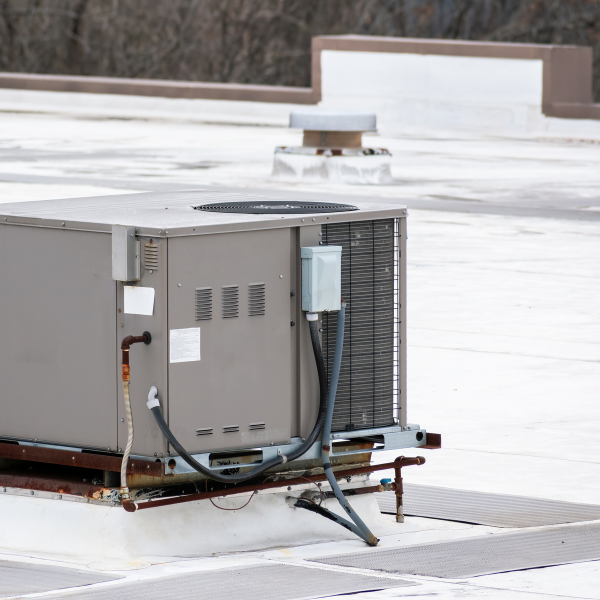
    Comparing Thermoset and Thermoplastic Commercial Roofing

    A commercial building’s roof can utilize a wide variety of materials.

    A commercial building’s roof can utilize a wide variety of materials. However, the two most common coverings are thermoset and thermoplastic roof membranes.

    Both work very well with low-slope roof buildings. This article compares thermoset and thermoplastic commercial roofing.

    Thermoset roof membrane

    Thermoset membranes, or EPDM (ethylene propylene diene monomer), are popular for commercial buildings. They’re designed to prevent ozone and UV light damage and are low maintenance despite being incredibly durable.

    This single-ply membrane is resistant to solvents, remains flexible in cold temperatures, and is highly reflective. As a result, thermoset membranes can help keep a building well-insulated. Sometimes referred to as a rubber roof, thermoset membranes are available in either black or white. It’s manufactured in widths ranging from 7.5 to 50 feet and comes in various thicknesses.

    Only roofing professionals should install a thermoset membrane. Although one can purchase them at big box stores, an EPDM roof won’t provide any benefits when not installed correctly. Please also note that it has a low resistance to petroleum-based products and will begin to break down once it comes in contact with this cleaning solvent.

    Thermoplastic roof membrane

    A thermoplastic membrane is a durable and reliable roof covering that works well for commercial roofing systems. TPO (thermoplastic polyolefin) is a single-ply roofing membrane widely used for commercial roofs. It’s manufactured in sheets 10, 12, or 20 feet wide, and color choices are black or white. The membranes are rolled up, making it easy to transport to the job site.

    When properly installed and maintained, single-ply TPO membranes can last for approximately 30 years. An advantage of using TPO membranes is their resistance to UV light and bacteria. This roofing material is a good choice for restaurants. Oils and animal fats can build up around roof ventilation systems, and since TPO material is resistant to bacteria, it will inhibit the growth of mold and other microorganisms.

    An issue with thermoplastic membranes, especially if there isn’t attention to detail when installing, is leakage. Due to the relatively small sizes of the available widths, there are more seams to secure. TPO membranes can contract and expand, so extra care needs to be taken at the seams to ensure rain or other elements can’t penetrate them. Any moisture that gets through could eventually damage the roof.

    Contact a roofing contractor for help

    A commercial building’s roof shouldn’t be taken lightly. Whether the project is for remodeling, repairing, or building from scratch, a roofing professional can make the best recommendation when comparing thermoset and thermoplastic commercial roofing.

    Roof X Inc. offers commercial and residential roofing for customers in Brandon,  Pensacola, Tampa, and surrounding areas. We install and repair metal, tile, shingle, TPO, and more. Gutters, ventilation, and insulation are also available. Family-owned-and-operated 

    Free estimate

    Schedule your estimate 100% online.

    Tell us about your roof and we will text you a scheduling link. We are on your roof within 48 hours.
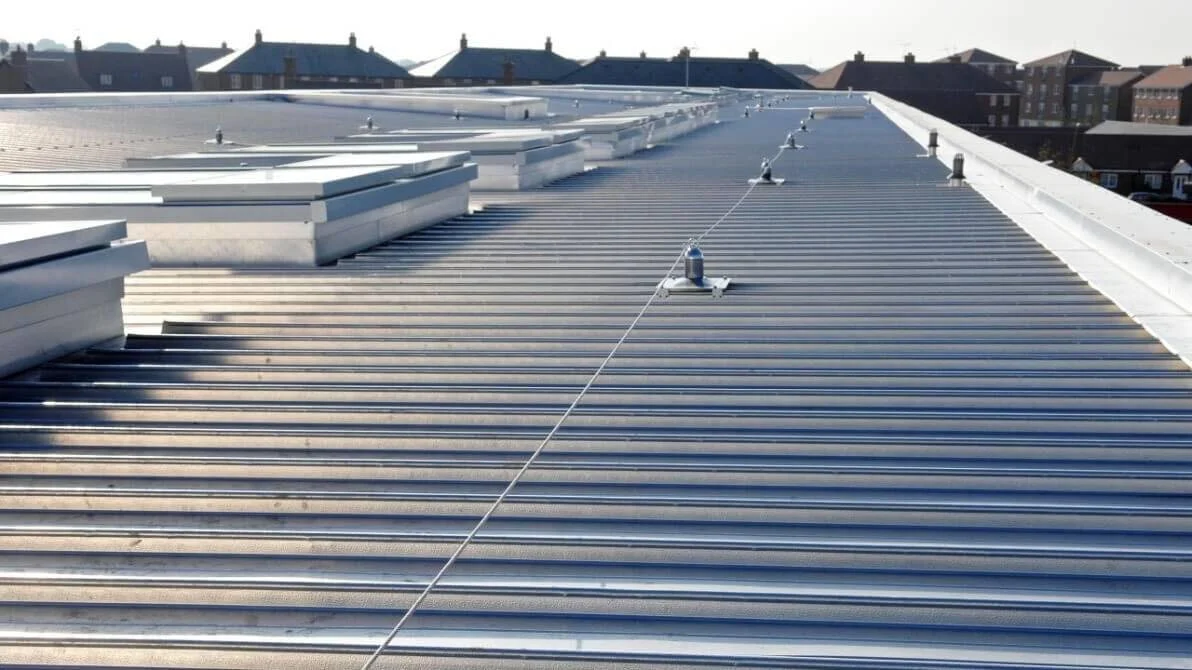
  • Discussing the Pros and Cons of Flat Roofs

    Discussing the Pros and Cons of Flat Roofs

    Home/Blog/Discussing the Pros and Cons of Flat Roofs

    Discussing the Pros and Cons of Flat Roofs

    Flat roofs are a common feature of commercial buildings and warehouses.

    By Roof X · March 15, 2023 · 2 min read

    Discussing the Pros and Cons of Flat Roofs

    Flat roofs are a common feature of commercial buildings and warehouses.

    Flat roofs are a common feature of commercial buildings and warehouses. But for aesthetic reasons, this type of roof is rarely used in residential buildings. However, that doesn’t mean a flat roof can’t be an interesting architectural choice for a new home. It’s a simple matter of weighing the pros and cons.

    Flat roofing pros

    Several advantages may convince homeowners to choose a flat roof over a more traditional residential roofing system like shingles and tiles.

    Durability

    Flat roofs have excellent water resistance when installed correctly. In addition, concrete flat roofs hold up better against heavy winds than many roofing alternatives. That makes it a solid choice in areas prone to storms and bad weather.

    Easy to install

    Many contractors prefer installing flat roofs due to the lower installation complexity.

    Easy to repair

    Not all roofing systems are easy to maintain and repair. But a simple flat roofing system allows for quick, affordable, and efficient interventions.

    Extra space

    Flat roofs are excellent for adding a guest room, a garden, or a relaxation area. They are also better for solar panel installations from a practical and aesthetic standpoint.

    Simple cleaning process

    Although flat roofs are prone to debris buildup, they’re easy to clean and maintain. Pressure washing removes stains, mold, algae, and other debris. This process won’t damage a flat concrete roof due to its durability.

    Flat roofing cons

    Understanding the drawbacks of installing a flat roof is essential before giving the green light to this roofing project.

    Limited roofing options

    Many flat roofing systems use rolled materials made from rubber, EPDM, TPO, bitumen, etc. Despite their practicality and affordability, these materials don’t offer enough variety. Moreover, some of these materials come with lifespans of only 10 to 15 years. Other roofing options can last a lifetime.

    Poor drainage

    The lack of slopes on flat roofing systems makes natural draining challenging. Homeowners must rely on the drain system to clear the roof of water and snow. However, debris like leaves, twigs, dirt, and dead insects builds up quickly and can clog drains. Thus, mold and water damage are significant issues.

    Requires regular maintenance

    Cleaning a flat roof is easy. Unfortunately, that doesn’t make it a good option for every homeowner. Due to their design and underwhelming drainage system, flat roofs accumulate more debris. Therefore, homeowners must inspect the roofs and drains regularly, possibly every week, during stretches of bad weather. This can be too time-consuming for some people.

    Don’t rush the roofing system selection

    A roof can make or break a home’s practicality, energy rating, and curb appeal. That’s why it’s essential to consider the drawbacks and advantages of flat roofs compared to more common residential roofing options.

    Roof X Inc. offers commercial and residential roofing for customers in Brandon,  Pensacola, Tampa, and surrounding areas. We install and repair metal, tile, shingle, TPO, and more. Gutters, ventilation, and insulation are also available. Family-owned-and-operated 

    Free estimate

    Schedule your estimate 100% online.

    Tell us about your roof and we will text you a scheduling link. We are on your roof within 48 hours.

  • How to Maintain a Flat Roof

    How to Maintain a Flat Roof

    Home/Blog/How to Maintain a Flat Roof

    How to Maintain a Flat Roof

    Flat roof inspections should occur every six months or after any major storm or hurricane

    By Roof X · December 1, 2022 · 3 min read

    How to Maintain a Flat Roof

    Flat roof inspections should occur every six months or after any major storm or hurricane.

    A flat roof has an average life span of approximately 20 years before it will need replacement. However, homeowners or business owners who want to hit that 20-year mark must perform regular maintenance. Replacing a flat roof can prove expensive, so it’s essential to maintain it properly.

    Flat roof inspections should occur every six months or after any major storm or hurricane. Florida is notorious for both, so to expand the life of a flat roof, being proactive is critical.

    Search for debris

    Tree limbs and other debris can easily cause damage to a flat roof. Large debris can scratch or puncture flat roofs and cause costly repairs. Minor repairs are usually easily fixed, but any extreme damage should be left to roofing professionals. Routine inspections for debris are essential, especially after large storms. Immediately remove the debris to ensure it can’t cause damage at a later time.

    Inspect seams and membranes

    Visually inspect the roofing material where they are joined or overlapping. This is especially important around areas with accessories built in, as these are familiar places where leaks can occur. Locations around skylights, air conditioning units, and vents should receive extra attention.

    Membranes can break down and erode due to Florida’s harsh UV rays. Damaged or cracked membranes need immediate replacement.

    Ponding

    Standing water is not a good thing for flat roofs. Ponding occurs in areas where water has nowhere to drain. Left untreated, this can lead to water damage and leaks. Signs of ponding are oval areas with a watermark or dirt line surrounding them. A proper draining system should be installed by a flat roof professional.

    Plumbing stacks

    Plumbing stacks are roof pipes that direct airflow into the building’s plumbing system. They need to be clear of any obstructions. To prevent water leakage, they also need proper sealing. Visually inspect plumbing stacks for signs of blockage, obstructions, and damage.

    Inspect flashings

    Flashings are in any area where two opposing surfaces meet. These areas are where leaks can occur, requiring extra protection from the elements. Also, these flashings can become loose or damaged due to moisture. Always replace any that are in poor condition.

    Look for clogged drains

    Drains, scuppers, and gutters can get clogged quickly after storms. Their purpose is to direct rainwater into the drainage system. If they get clogged, it could lead to roof damage. Properly clear any debris blocking water from moving off the roof.

    Proper flat roof maintenance can help prolong its life

    Regular flat roof inspections should occur a few times a year. Ensuring that the roof is kept debris-free and has a properly working drainage system is key to extending its life. Routine inspections are also crucial, along with hiring flat roof specialists to tackle repairs or spot potential problems.

    Roof X Inc. offers commercial and residential roofing for customers in Brandon,  Pensacola, Tampa, and surrounding areas. We install and repair metal, tile, shingle, TPO, and more. Gutters, ventilation, and insulation are also available. Family-owned-and-operated

    Free estimate

    Schedule your estimate 100% online.

    Tell us about your roof and we will text you a scheduling link. We are on your roof within 48 hours.